SEO7 min read
Does OpptiAI Titles Conflict With Rank Math?
Rank Math stores title and meta description in its own fields. Here's exactly how OpptiAI Titles reads and writes around them without a conflict.
O
Benjamin Graham Oats120 articles
Rank Math stores title and meta description in its own fields. Here's exactly how OpptiAI Titles reads and writes around them without a conflict.
An Elementor Image widget can render with an empty alt even on a finished page. Where Elementor gets image alt text, the cases that leave it blank, and how to fix them.
Replace a WooCommerce product photo and the old alt text often stays behind, now describing a picture that is no longer there. Here's how to catch it.
Anchor text tells readers and search engines what the linked page is about. Practical rules for internal link anchors in WordPress, with examples of what to write and what to stop using.
Duplicate SEO titles make pages compete and get rewritten by Google. Where duplicates come from in WordPress, how to find them, and how to fix them with Yoast, Rank Math or AIOSEO.
WooCommerce gallery images are separate Media Library attachments, so they often have no alt text. How to check them, what to write, and how to fix a whole catalogue.
Orphan pages aren't only a new-site problem. Here's why sites with years of content keep producing them, and how a one-scan audit finds the ones you have.
You changed a title tag and Google still shows the old one. Here's the real timeline for a change to show up, and how to speed it up.
WordPress multisite networks hide alt text gaps behind the network admin screen. Here's how to audit every subsite without logging into each one.
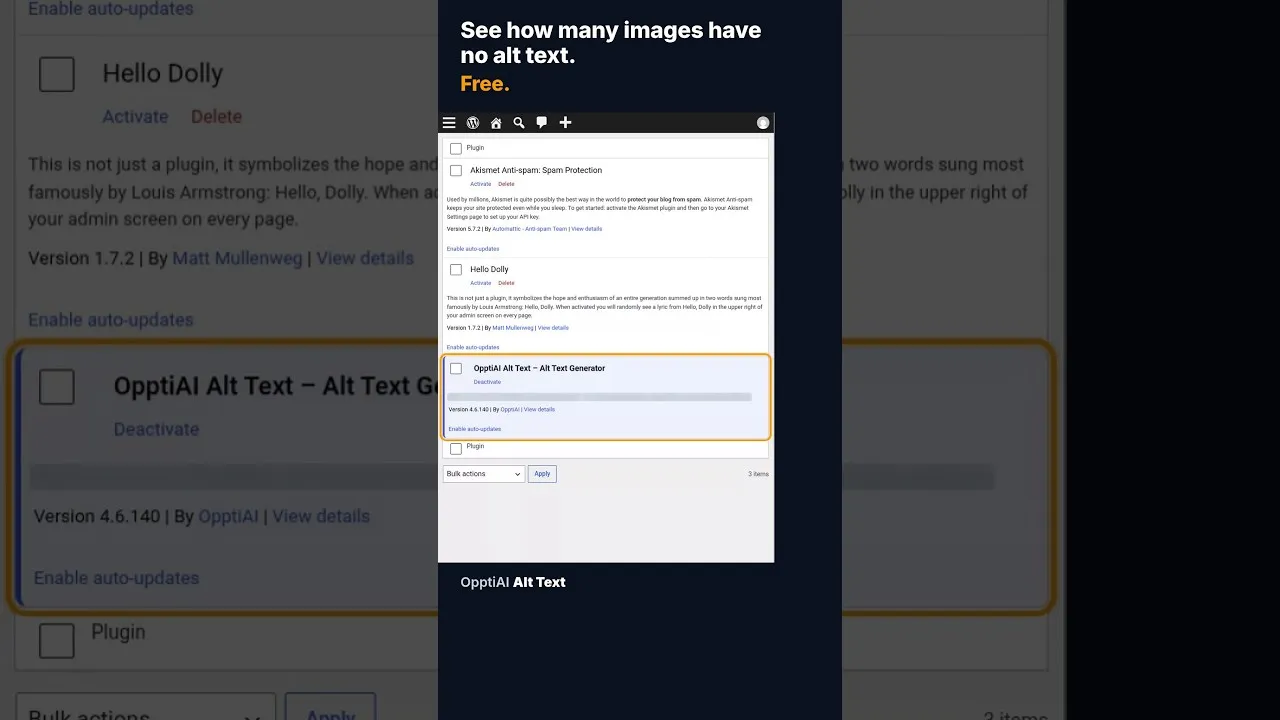
A free alt text audit counts exactly how many WordPress images are missing alt text, no account needed. Here's what the count actually means.
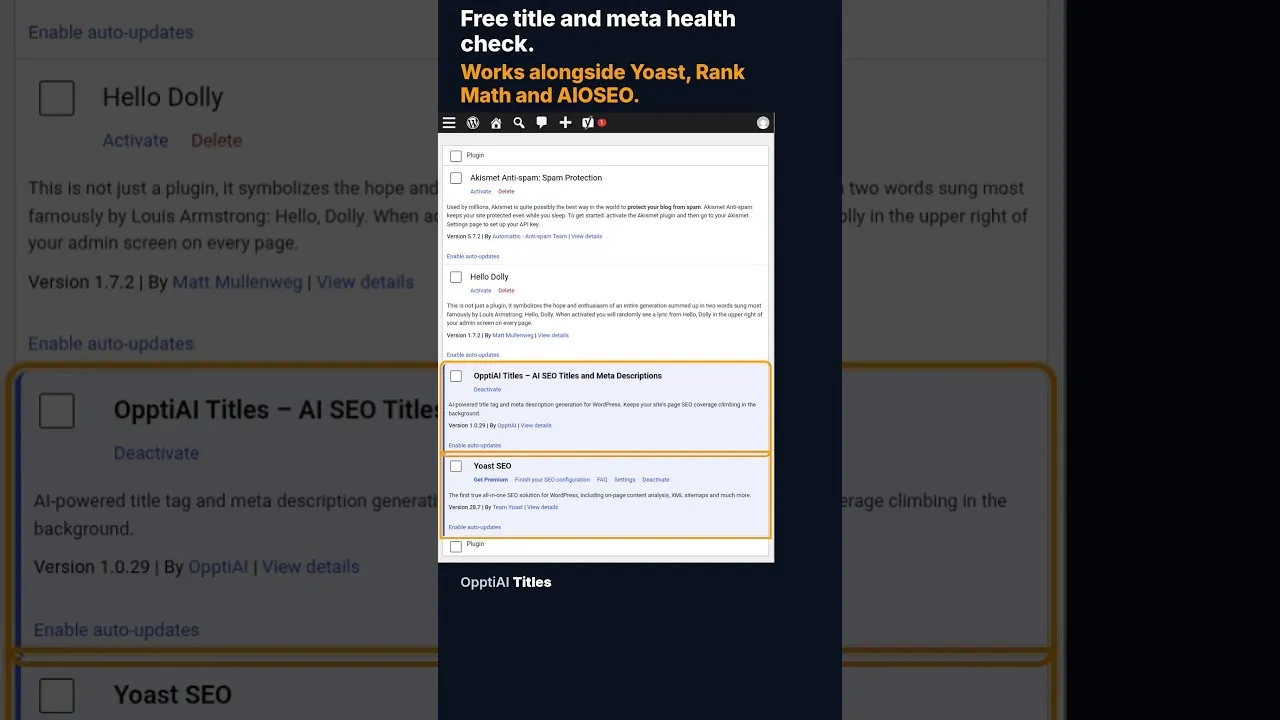
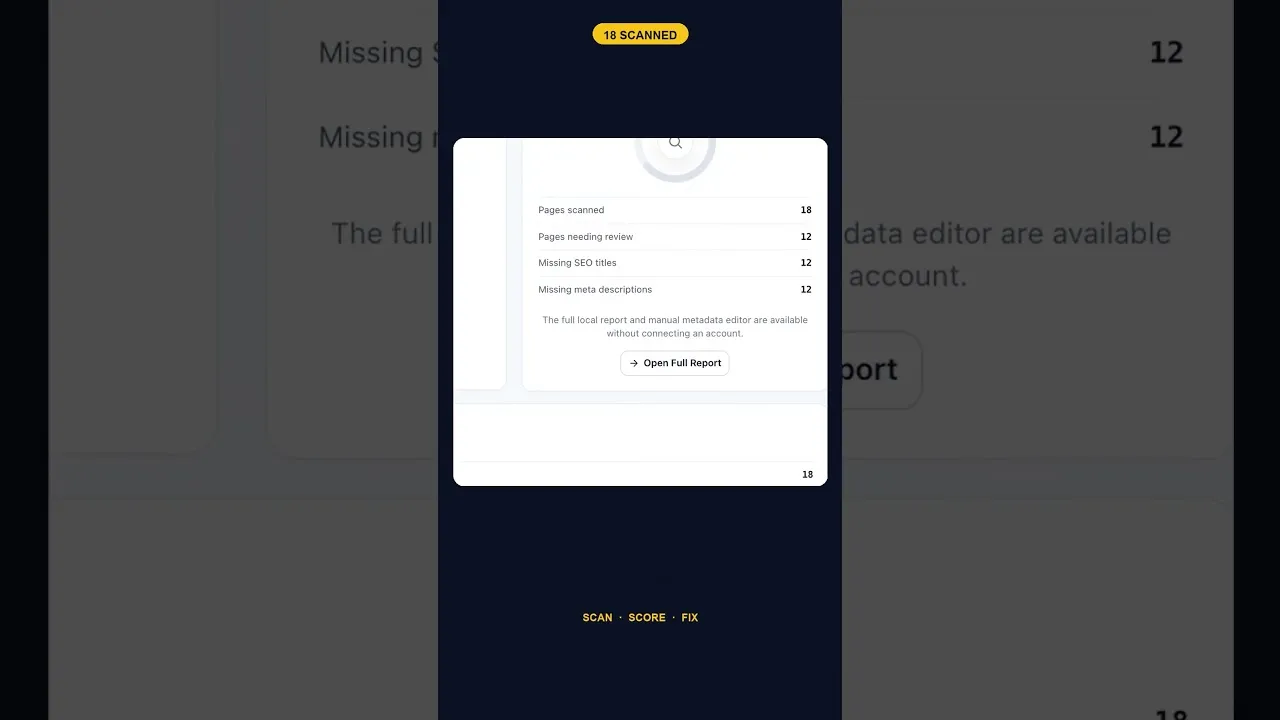
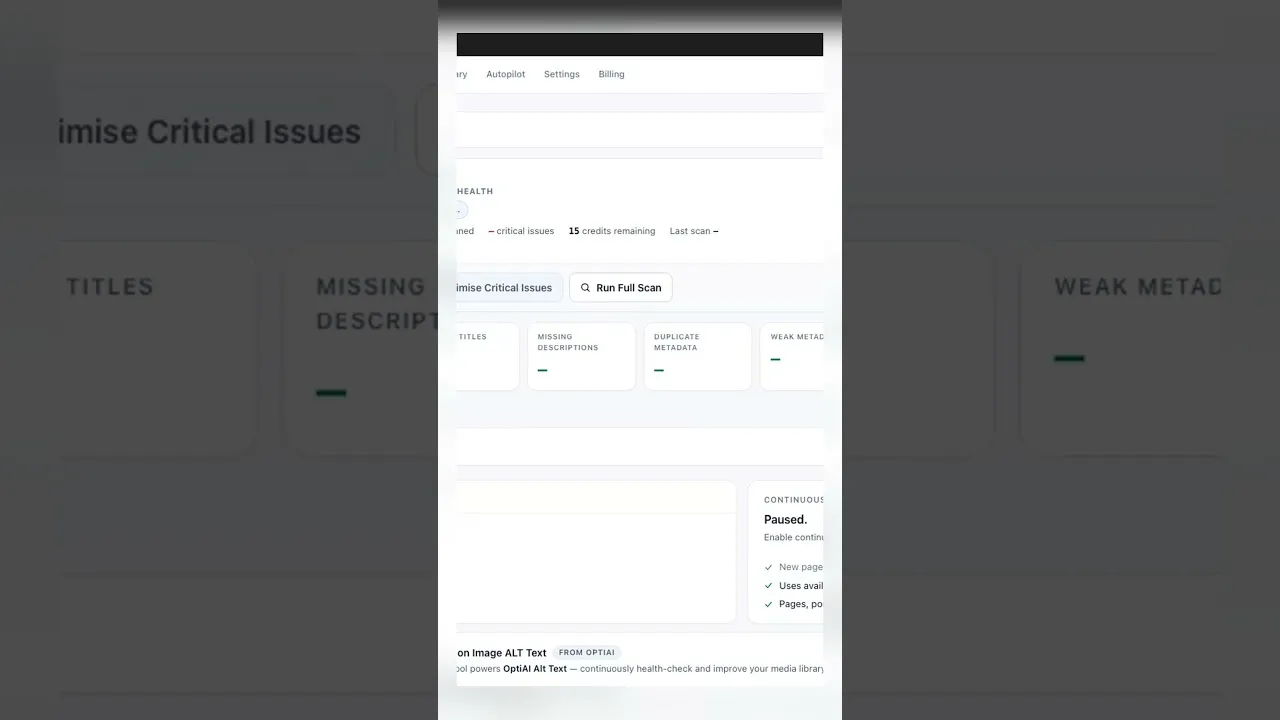
A free health check scans every WordPress page for missing or weak titles and meta descriptions and gives you a score. No account needed to see the result.
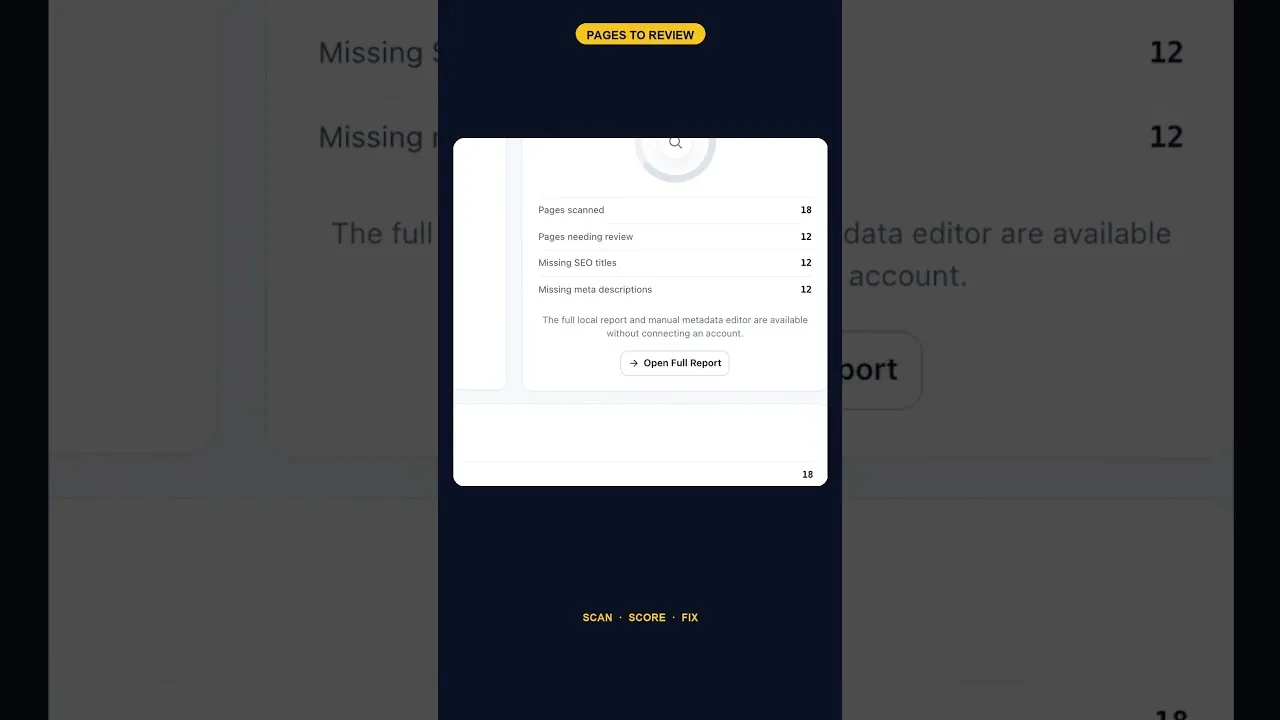
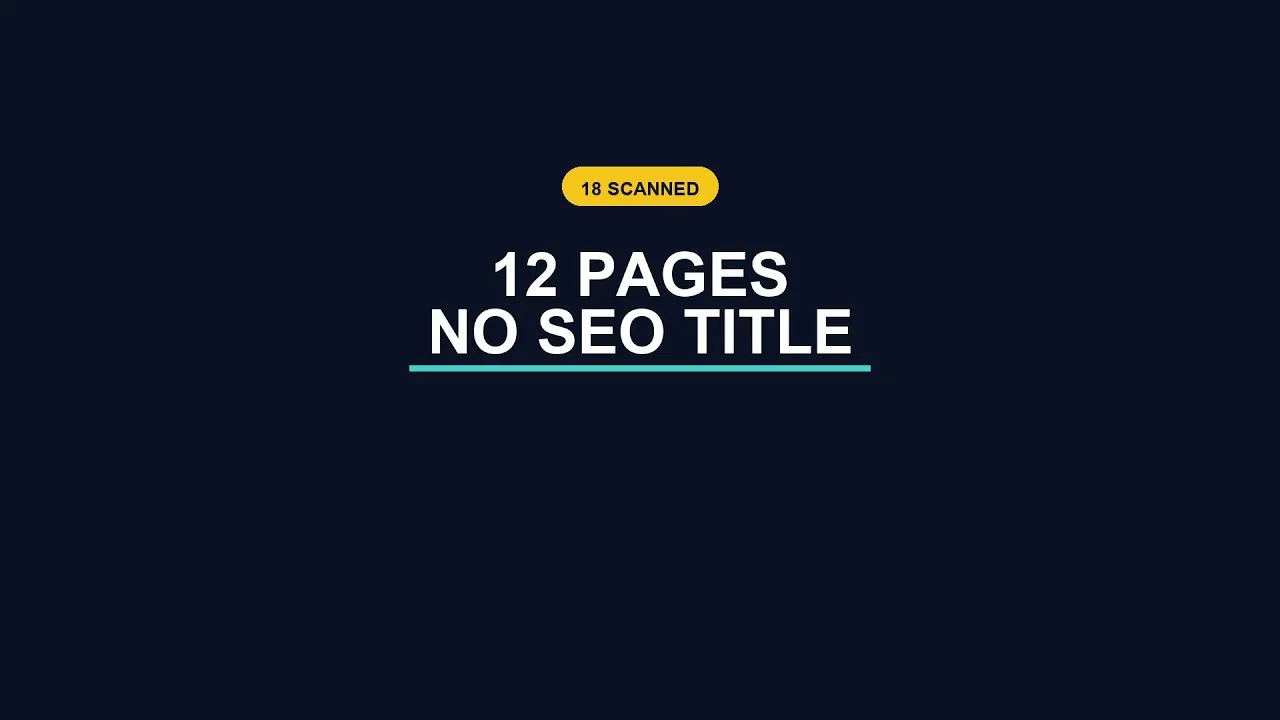
An SEO scan finding 12 of 18 pages missing both a title tag and a meta description is one structural gap, not twelve separate oversights. Here's how to read it.
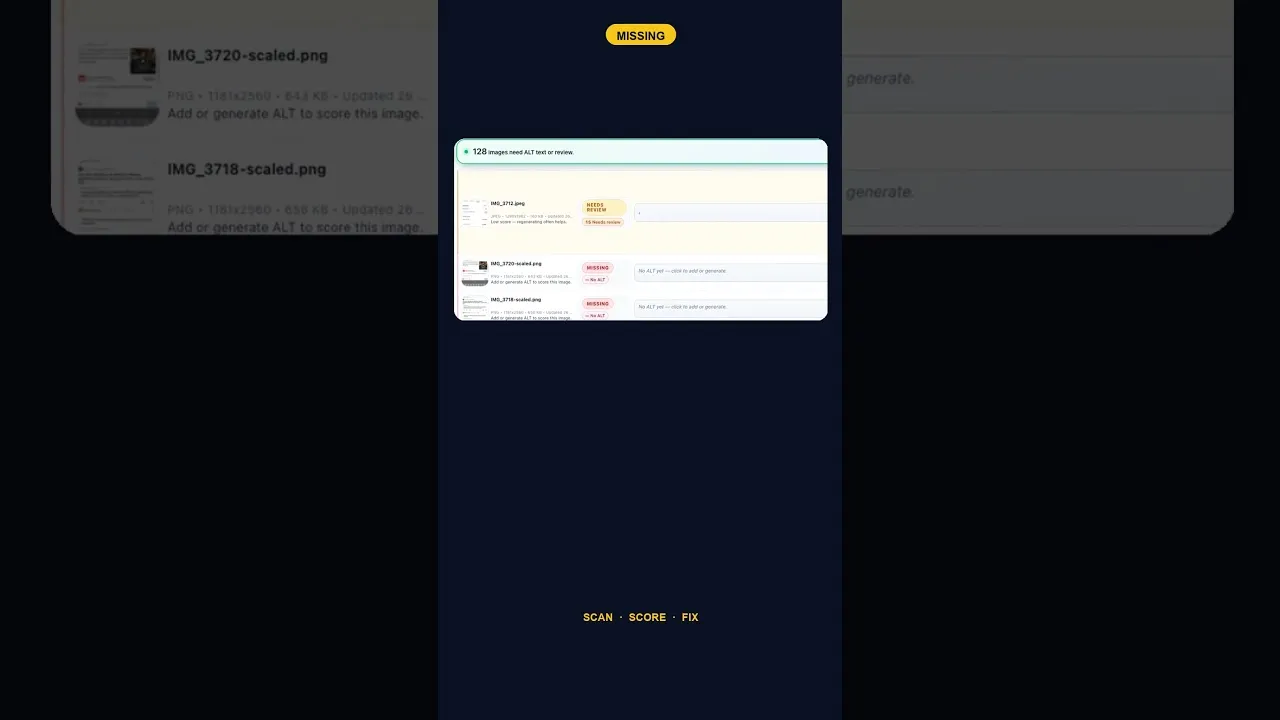
A 128-image alt text backlog sounds like a project. Split by what's actually wrong with each image, most of it is a much smaller job than the headline number.
AIOSEO stores titles and meta descriptions in its own fields. Here's exactly how OpptiAI Titles reads and writes around them without creating a conflict.
OpptiAI Internal Linking and Link Whisper both find orphan pages in WordPress. Here is what each one does, where Link Whisper does more, and how to choose.
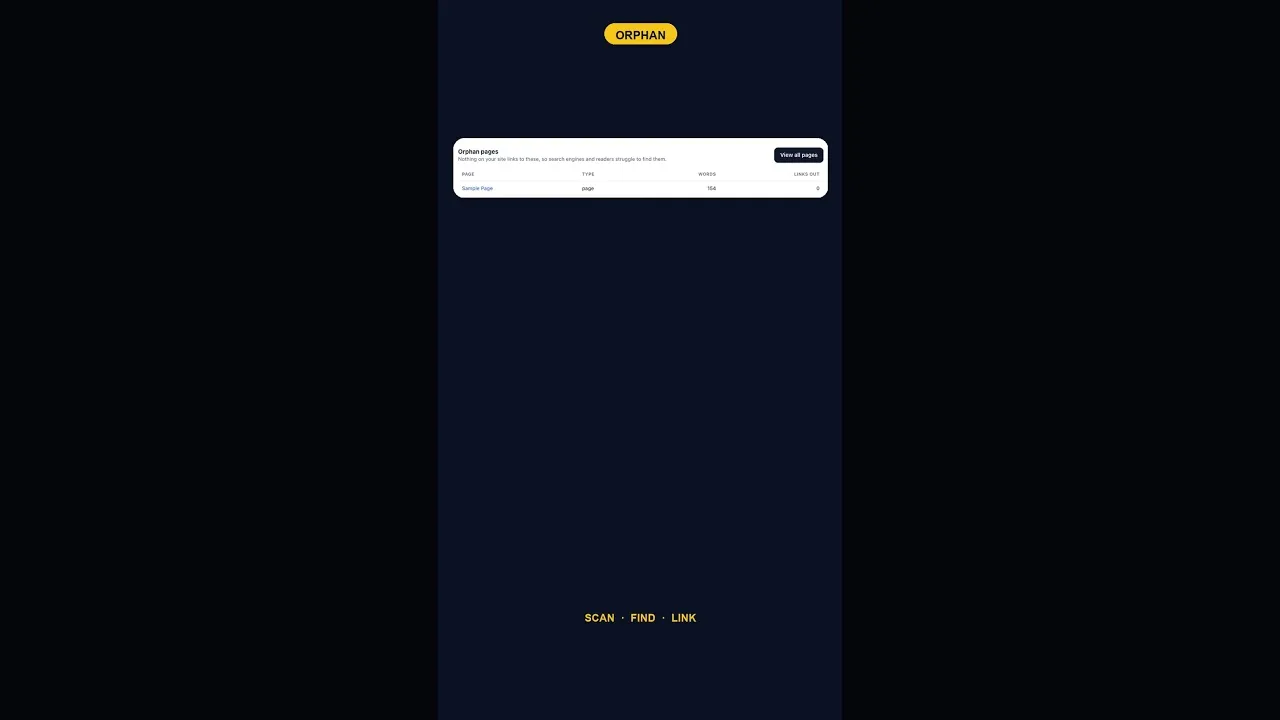
An orphan page is a post or page nothing else on your site links to. Here is why that matters for SEO and how to find orphan pages in WordPress.
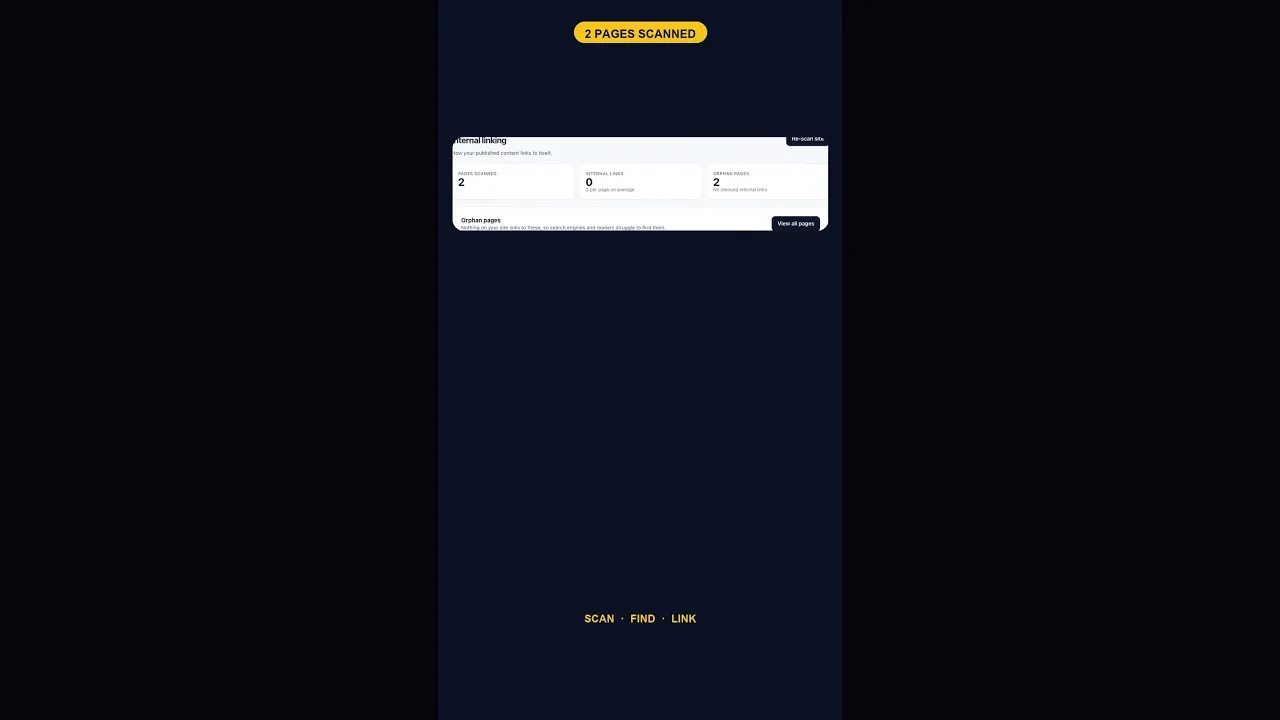
A scan showing zero internal links on a brand new WordPress site isn't a problem — it's the default state. Here's when that number actually starts to matter.
Zero internal links sounds like one finding, but an audit reporting it is really running three separate checks. Here's what each one looks for.
Most WordPress sites don't know their real meta description count until they run a sitewide scan. Here's how to get that number and what to do with it.
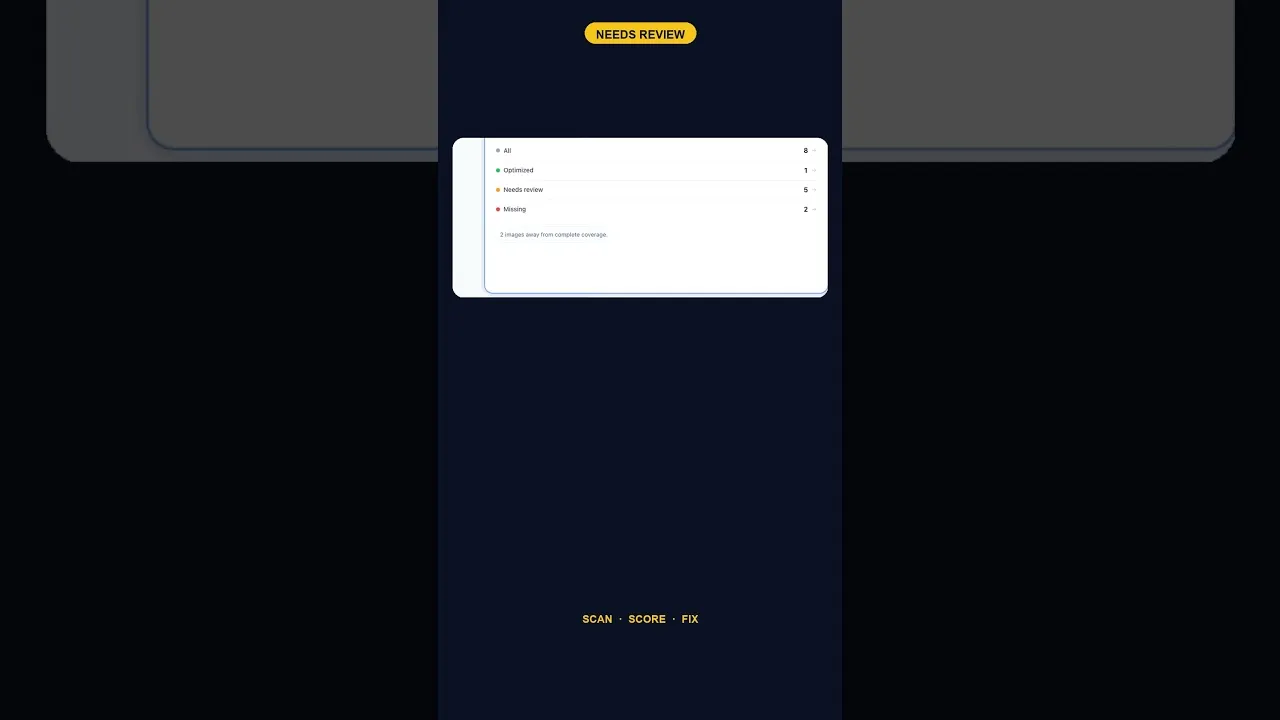
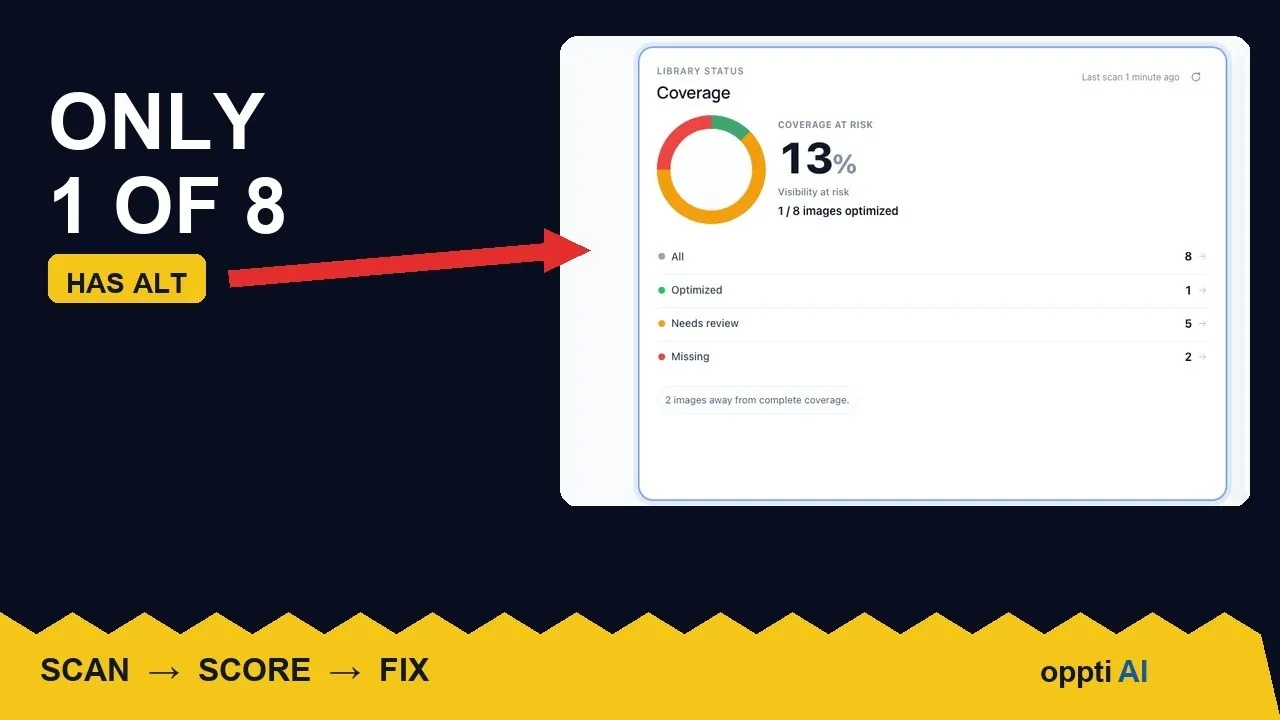
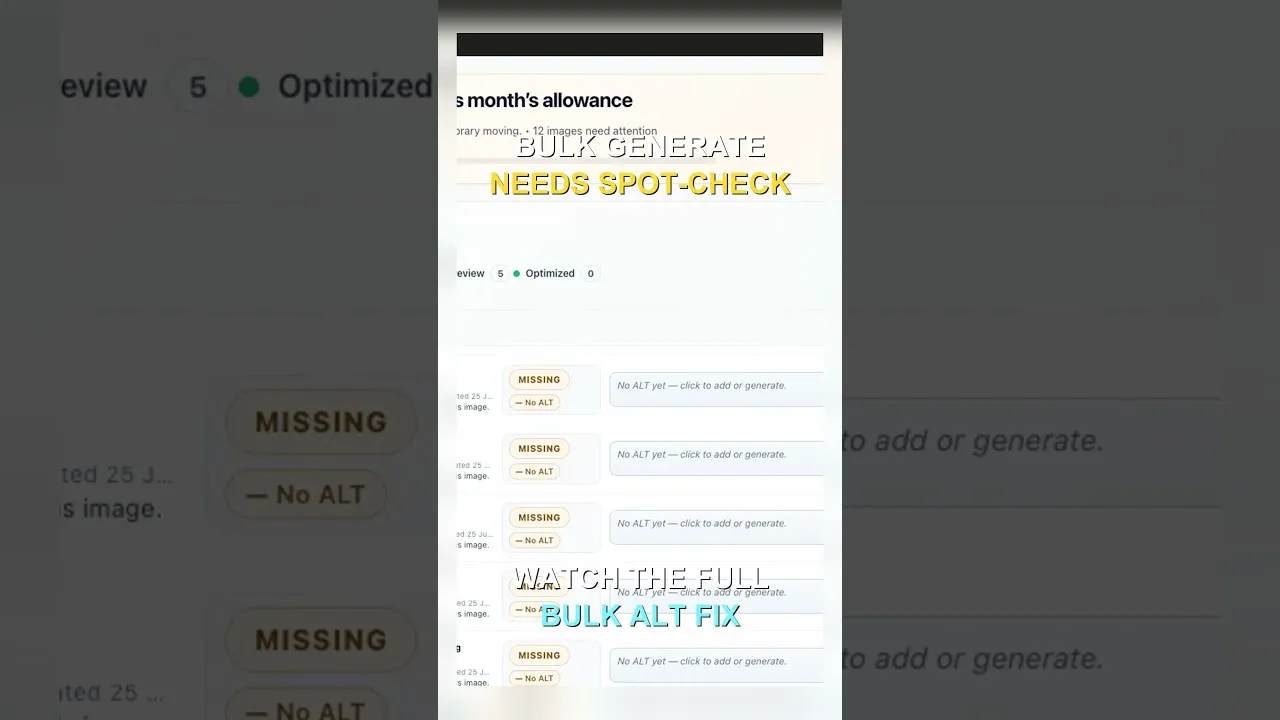
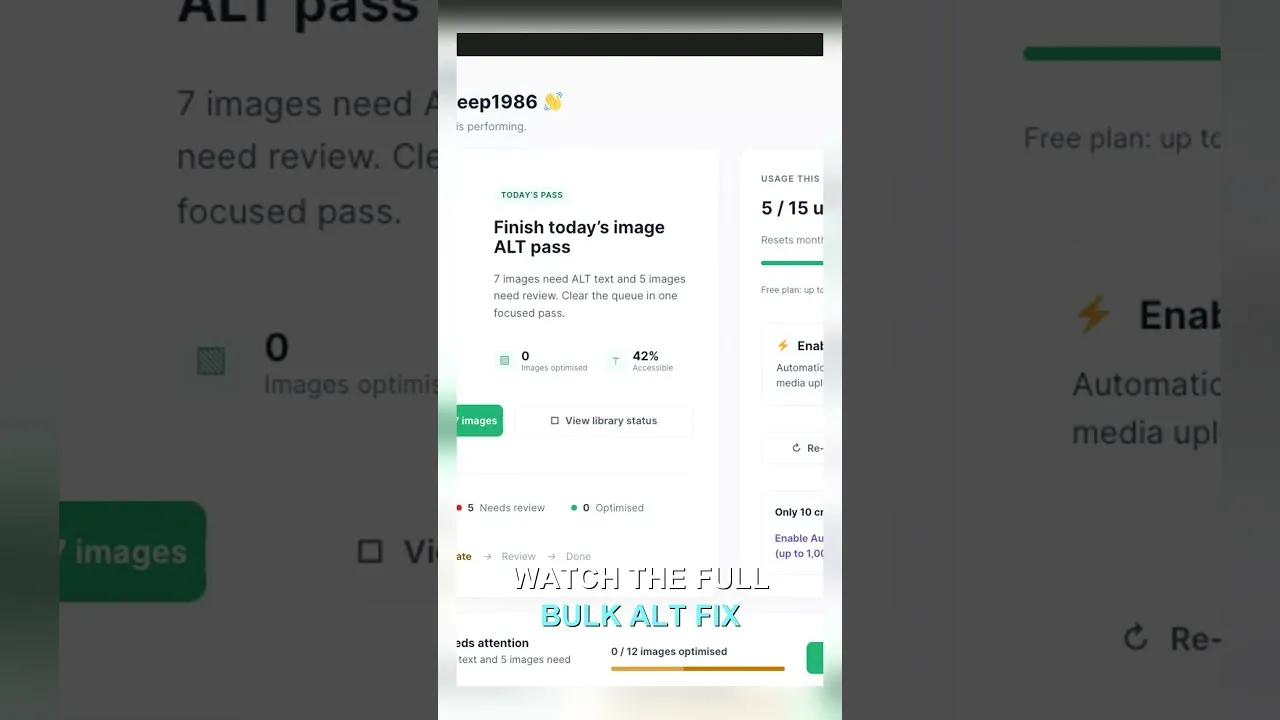
A scan that finds five images flagged for alt text review and none outright missing is telling you something different than a scan full of blanks.
A title and meta description audit doesn't need an account first. Here's why running the scan locally, before any connection, changes what you can trust about the results.
An internal links audit almost always flags WordPress's default Sample Page as an orphan. Here's which of three fixes actually applies.
A blank title tag isn't blank in search results. Here's exactly what Google puts there instead, and why it's rarely what you'd have written.
Before you can prioritise alt text fixes, you need to classify images correctly. Here's a practical test for telling decorative images apart from content images.
A WordPress site with just two images missing alt text is easy to deprioritise. Here's why that small a gap is still worth closing the same day you find it.
An ALT text coverage audit shows exactly how many WordPress images are missing alt attributes, and which ones genuinely need fixing first.
A low alt text coverage score on WordPress looks alarming at first glance. Here's how to read the number properly before you panic or ignore it.
Screenshots and infographics need alt text that describes the data shown. Here's how to write it, and where a short alt attribute isn't enough.
WPML and Polylang translate your content but often leave the SEO title tag untouched, so two or three languages end up competing with the same exact title.
A featured image's alt text shows up in far more places than a normal content image. Here's why it deserves the first fix, not the last.
Working through missing alt text oldest-first feels productive but isn't. Prioritising by page traffic fixes the images that are actually seen.
Not every missing alt text field deserves the same urgency. Here's the priority order that actually moves image SEO: featured, products, content.
Google replaces the meta description you wrote more often than not. Here's what actually triggers a rewrite and how to write descriptions it keeps.
Autopilot and cleanups still miss uploads. Same-day alerts catch missing alt text on new WordPress uploads before it piles up unnoticed.
Rewriting every title tag wastes effort. Search Console's CTR data shows exactly which ones are losing you clicks, so you fix those first.
SVG images don't pick up alt text the way JPEGs and PNGs do. Here's why WordPress treats them differently, and how to make SVGs accessible.
Fixed a weak title in an audit tool but not sure Yoast picked it up? Here's exactly where to check, and what it means if the two disagree.
A meta description under the limit can still fail to earn clicks. What actually moves click-through rate once the length problem is solved.
A site migration or rebrand touches every title tag and meta description at once. Here's how to audit both before you launch, not after rankings drop.
WordPress stores alt text in more than one place. Here's why block editor and media library alt text can disagree, and where the real value lives.
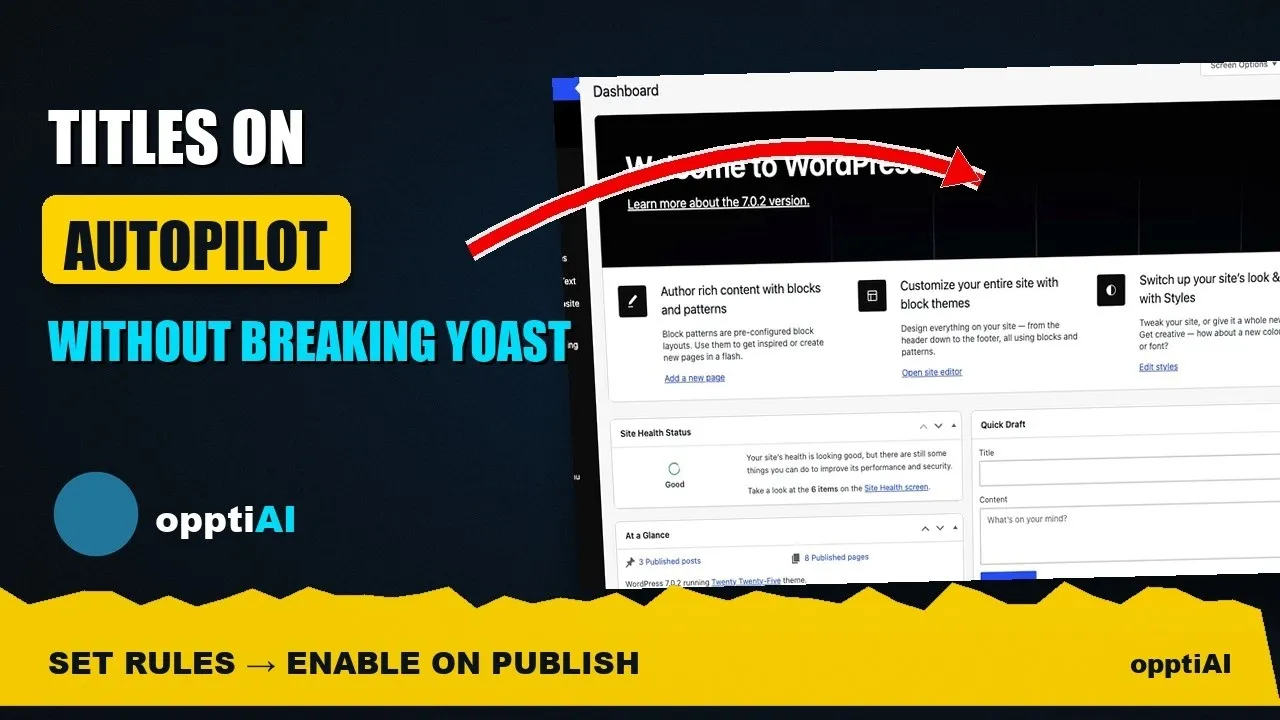
Manual title fixes don't stay fixed once new pages publish. Here's how to set up WordPress title and meta description autopilot without breaking Yoast, Rank Math, or AIOSEO.
Meta description length isn't fixed at 155 characters. Here's what actually gets truncated in Google search results and how to write around it.
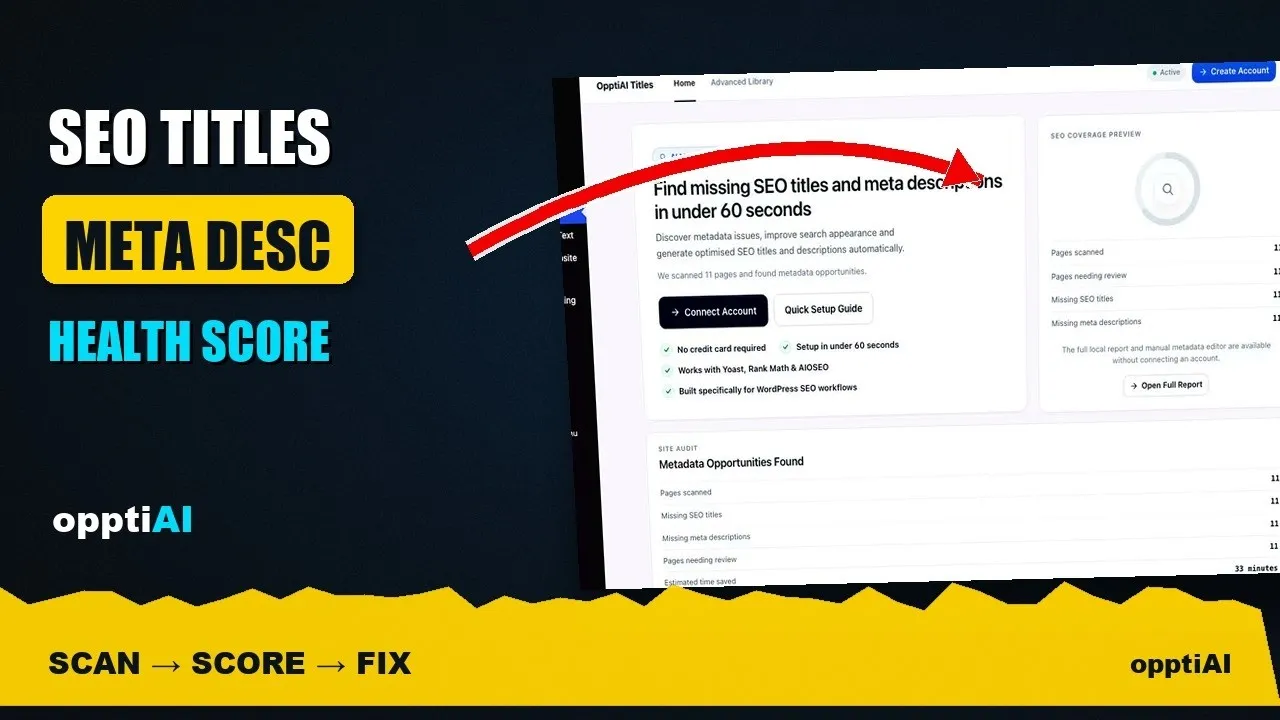
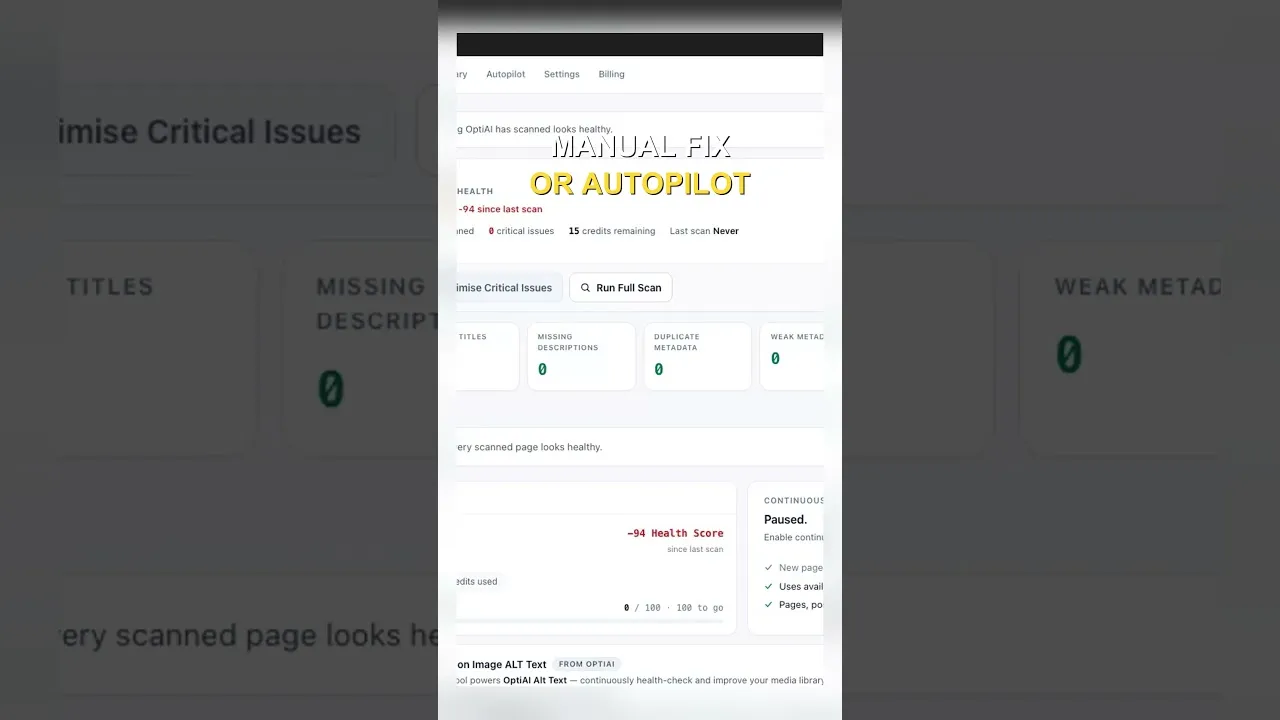
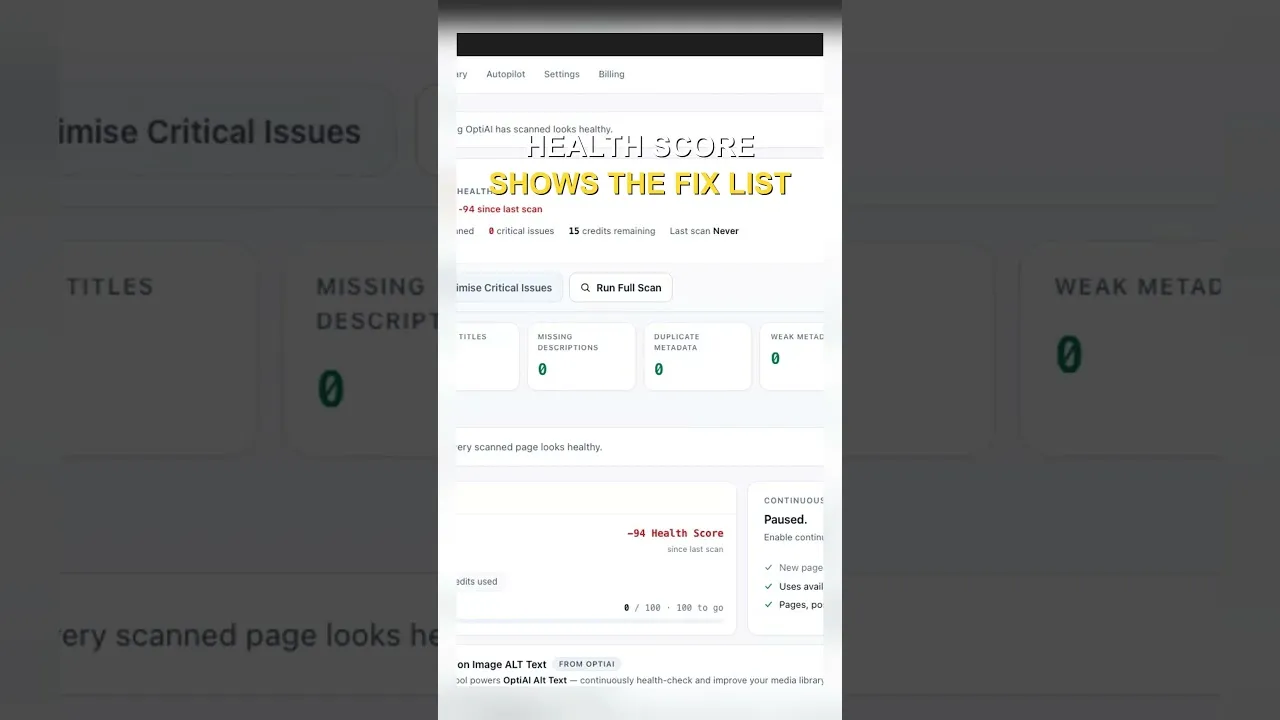
Most WordPress sites leave titles and meta descriptions missing or thin because fixing them one page at a time doesn't scale. A health score plus AI drafts does.
Autopilot and cleanups still miss images. Here's the routine check that catches new uploads slipping through before missing alt text piles up again.
Manually writing alt text for every new upload doesn't survive contact with a busy site. Here's how to configure autopilot rules that generate it for you.
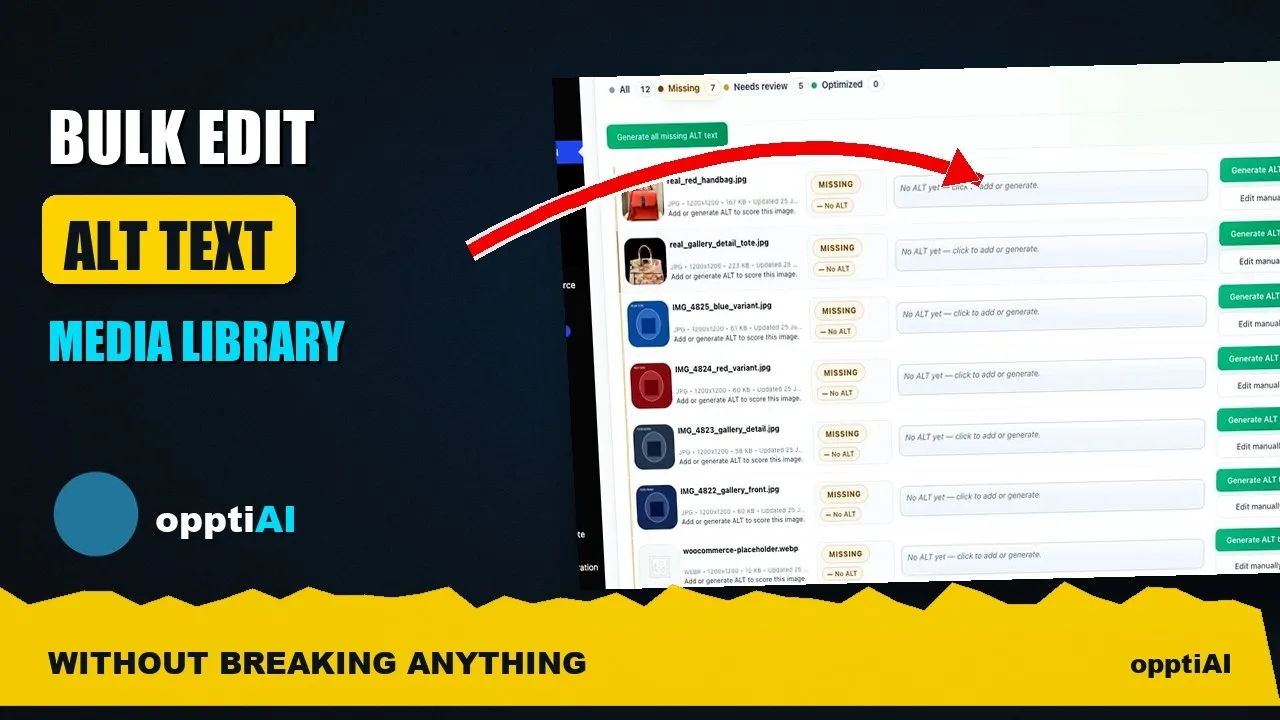
Opening one attachment at a time to fix alt text doesn't scale. Here's how to bulk-edit from a filtered list instead, without breaking anything.
How long should WordPress alt text actually be? A practical range for image SEO, with examples of alt text that's too short, too long, and about right.
Homepage, archive, and single-post title tags each need a different template. Here's how to set them up in WordPress so none of them collide or repeat.
You cleared the alt text backlog last month, and it's already back. Here's why new WordPress uploads keep breaking a finished cleanup, and how to stop it.
You don't need to replace Yoast or Rank Math to fix title tags sitewide. Here's how to run a bulk title fix at scale alongside your current SEO plugin.
A title-fixing plugin sounds like it should clash with Yoast SEO. Here's exactly which field each plugin touches and why they don't overwrite each other.
A WooCommerce catalogue with hundreds of products means hundreds of title tags. Here's a workflow for fixing them without opening every product page.
Fixing your worst title tags once gets the score up. Keeping it up is different. Here's what actually causes a title health score to drift back down.
Autopilot will apply title and meta description fixes without asking each time. Here's what to configure first so it doesn't apply the wrong ones.
Yoast meta description missing or not showing: an empty field can leave thin or duplicated search snippets. Fix one post or clear the backlog.
Elementor missing alt text: an Image widget can ship empty alt even when the file is in your Media Library. Fix the widget or the attachment.
Rank Math meta description not showing: an empty field can leave thin or duplicated search snippets. Fix one post or clear the backlog.
Character-count limits for title tags are a rough guide. Google truncates by pixel width, so two 60-character titles can get cut at very different points.
A single alt text cleanup pass rarely finishes the job. Here's how to track the missing count across repeat passes until it actually reaches zero.
You fixed the title tag last month. It's broken again. Here's why manual title tag fixes regress on WordPress sites, and what actually stops it.
Fixing title tags by hand works for some sites and quietly fails for others. Here's how to decide whether manual edits or automation fits yours.
A sitewide title tag audit gives you a long list, not a plan. Here's how to use a health score to decide which titles and meta descriptions to fix first.
A blank title tag doesn't break your page, but it does hand Google control of your search snippet. Here's why that costs clicks and how to catch it.
Reading every alt text in a 300-image batch isn't realistic. Here's how to build a spot-check sample that catches systemic errors without reading each one.
Scrolling the whole media library to find missing alt text wastes most of your session. Filter to what's actually missing, then work that list.
Elementor and GeneratePress still store images in the WordPress Media Library. Scan for missing alt text, then generate. You can review and edit the results at any time.
Product images without alt text miss image search and fail a basic accessibility check. Install OpptiAI Alt Text, scan, then generate.
Yoast, Rank Math, and AIOSEO leave pages with weak or missing titles. Install OpptiAI Titles, scan coverage, then generate. Results save straight away.
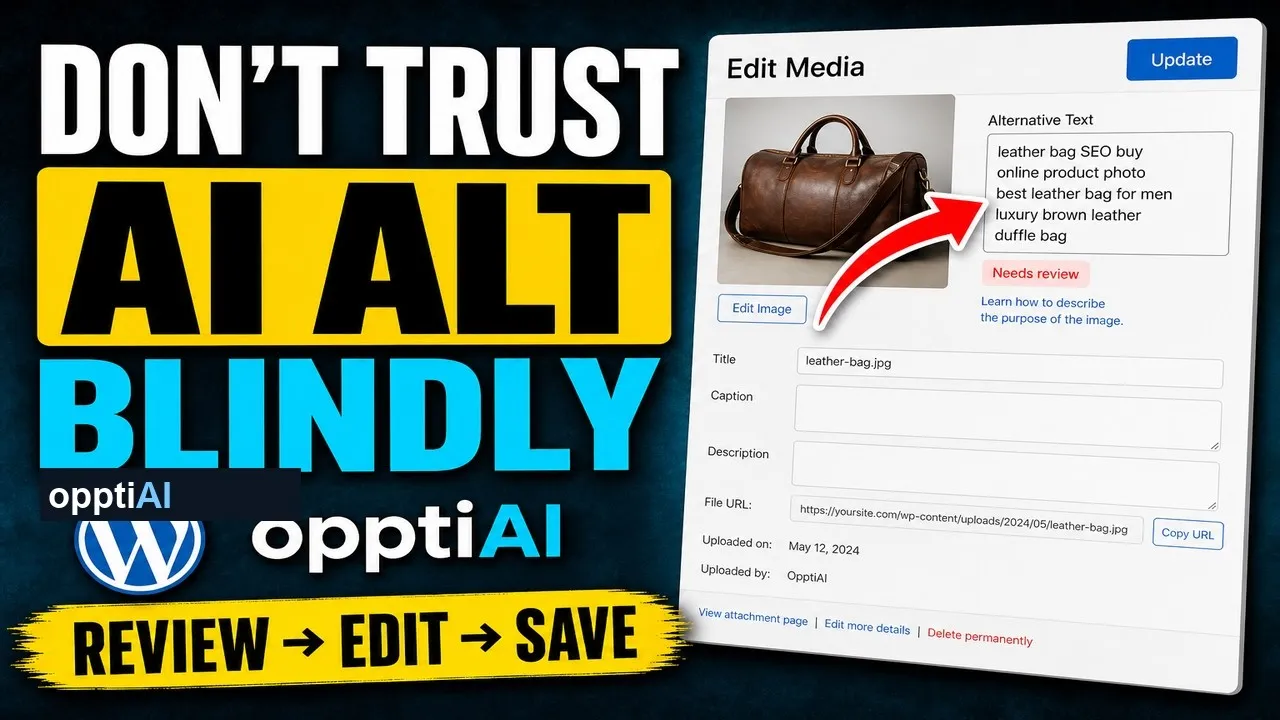
AI alt text fails in a small number of predictable ways. Run this four-point checklist to catch weak, wrong, and keyword-stuffed suggestions. You can review and edit the results at any time.
Two pages sharing one title tag splits ranking signal between them instead of helping either. Here's how to find every duplicate on a WordPress site.
Opening the attachment modal for every image before you can edit alt text is the slowest part of the job. Here's how to edit from the list instead.
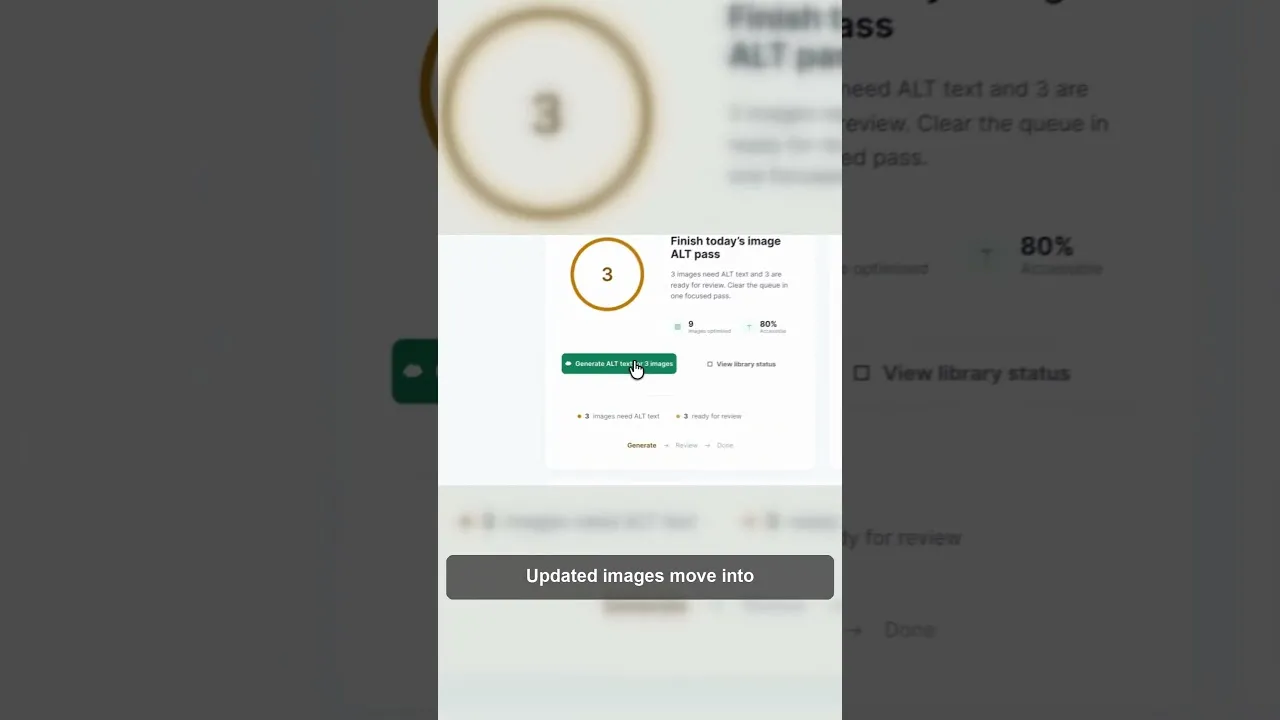
Scan, prioritise, generate, review — skip the last step and you've just bulk-saved mistakes. Here's the order that actually clears an alt text backlog.
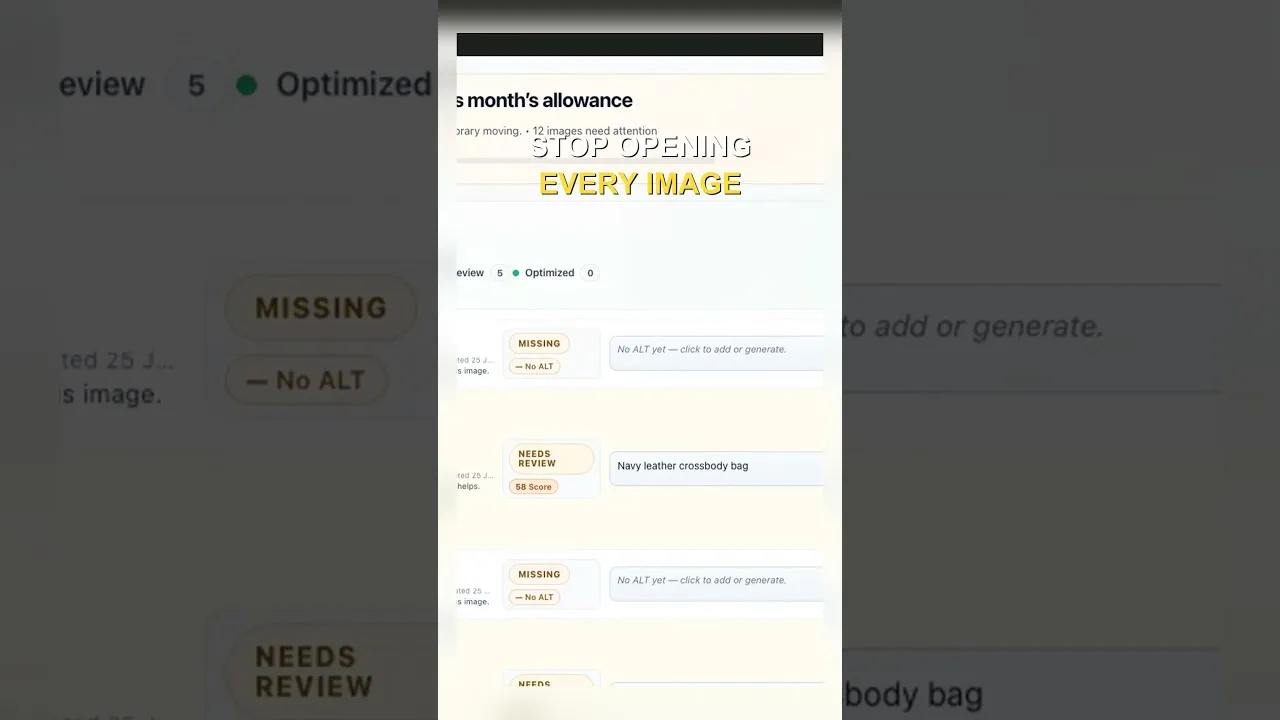
Opening every image to write alt text one by one never clears the backlog. Here's why a batch workflow finishes what one-by-one fixing doesn't.
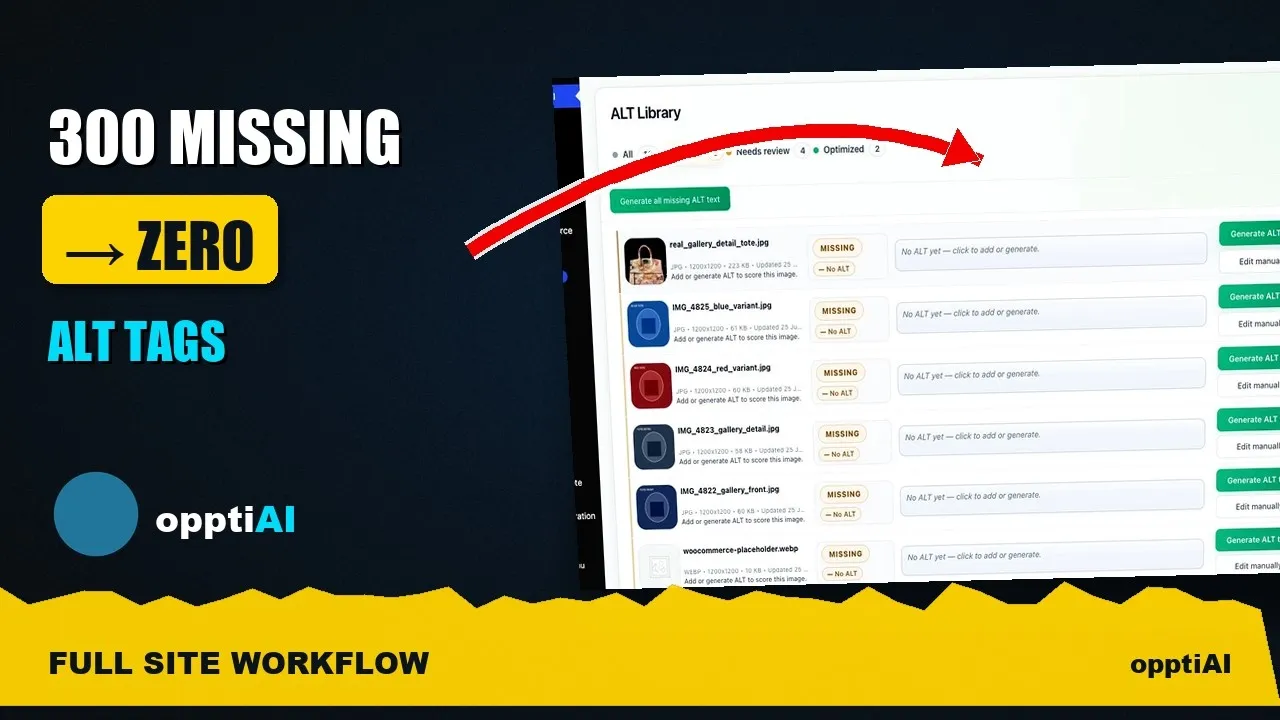
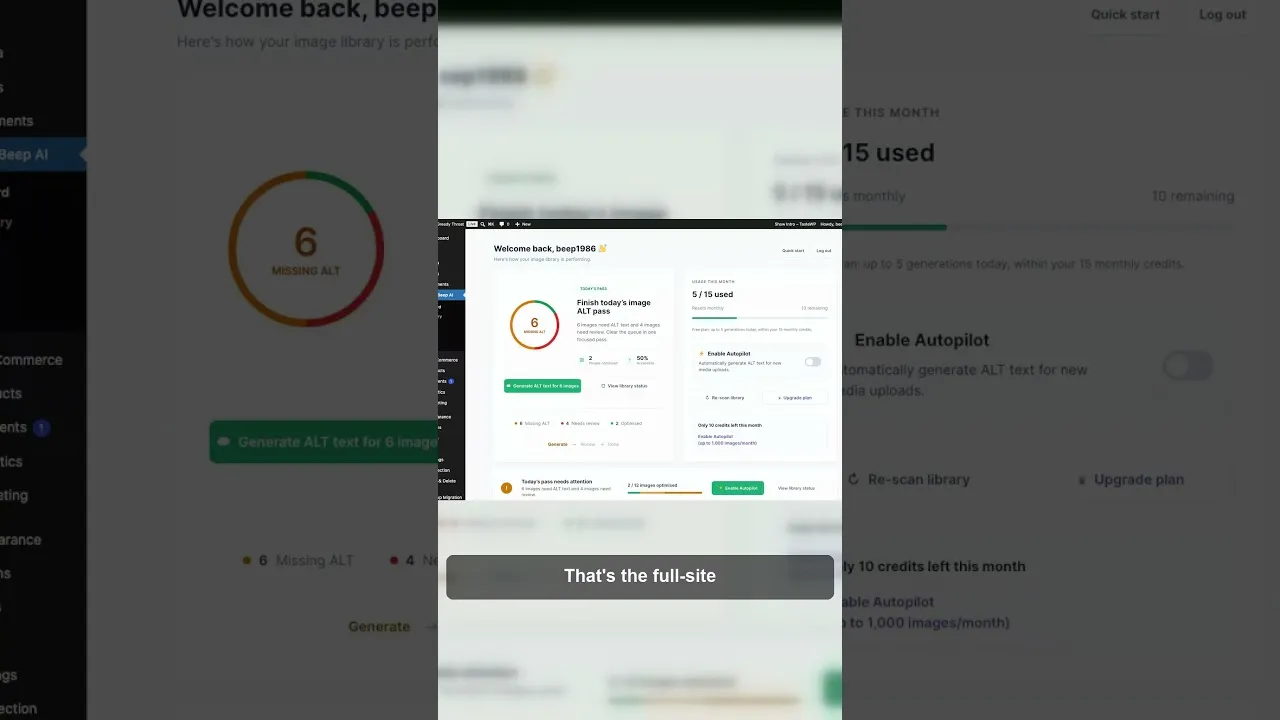
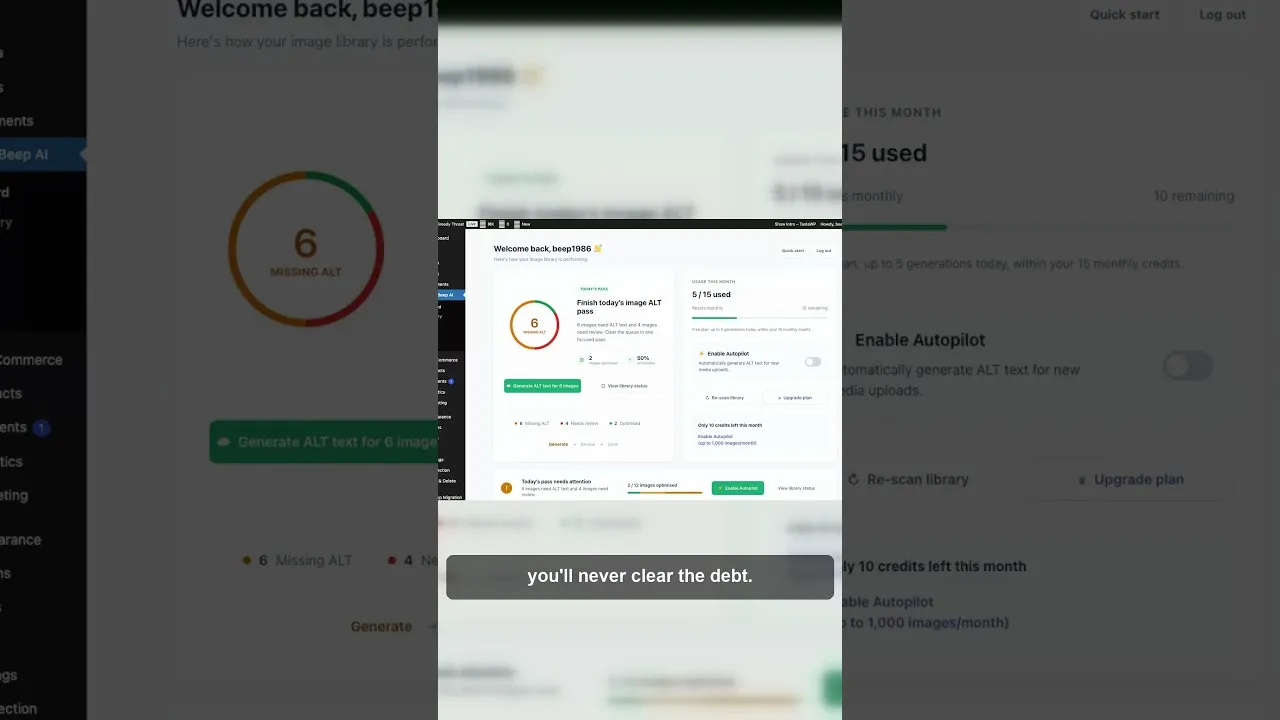
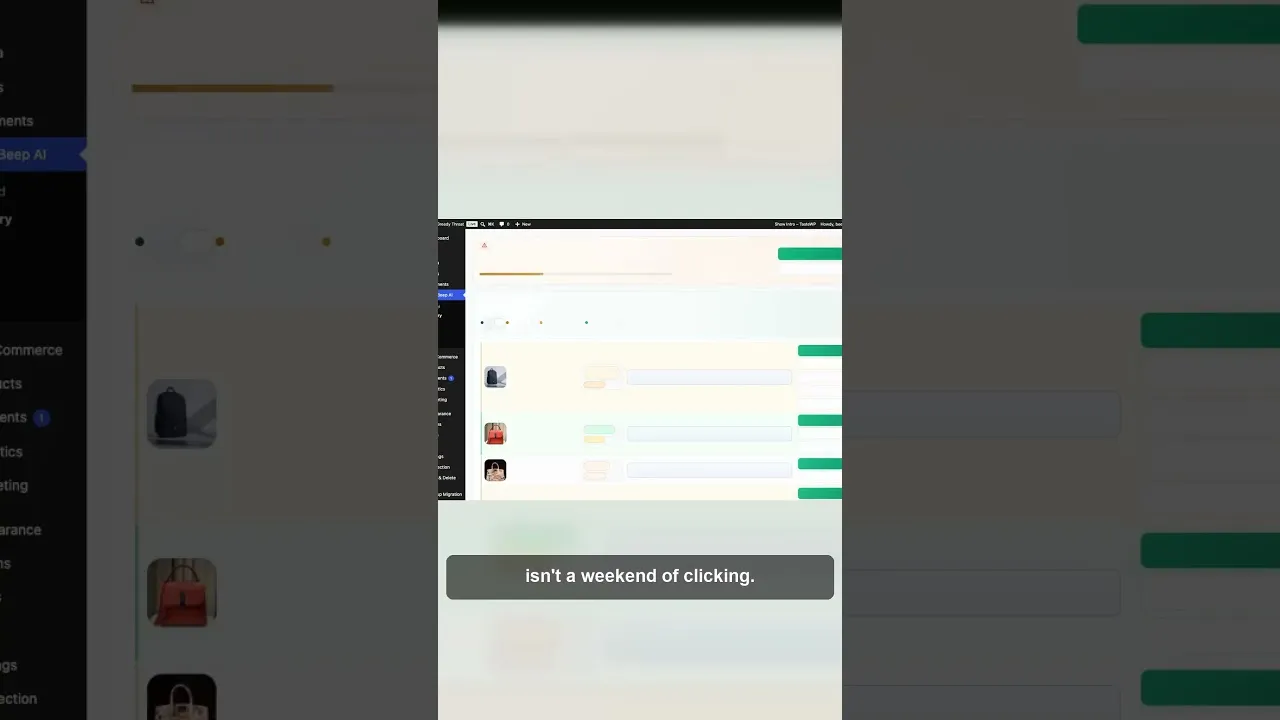
300 missing alt tags isn't a weekend of manual clicking. Here's how to scan a WordPress site's full alt text debt and clear it down to zero in batches.
AI can write alt text in seconds, but a good result still needs a read. Edit anything that is wrong after it saves.
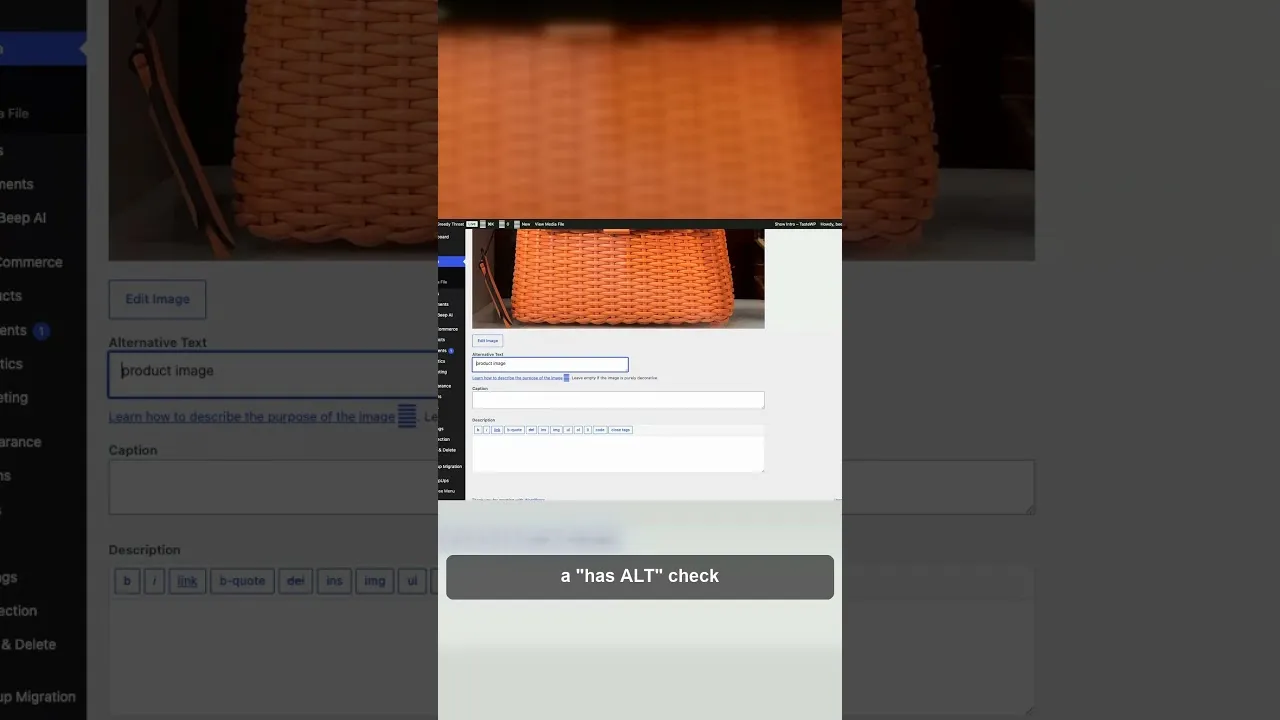
A filled alt attribute isn't finished alt text. Keyword-stuffed alt text passes a 'has alt' check and still fails SEO and accessibility.
CSS background images in WordPress can't carry an alt attribute at all. Here's what that means for SEO and accessibility, and how to fix it properly.
Missing title tags are easy to miss one page at a time. Here's how to find every one across a WordPress site, and why they slip through in the first place.
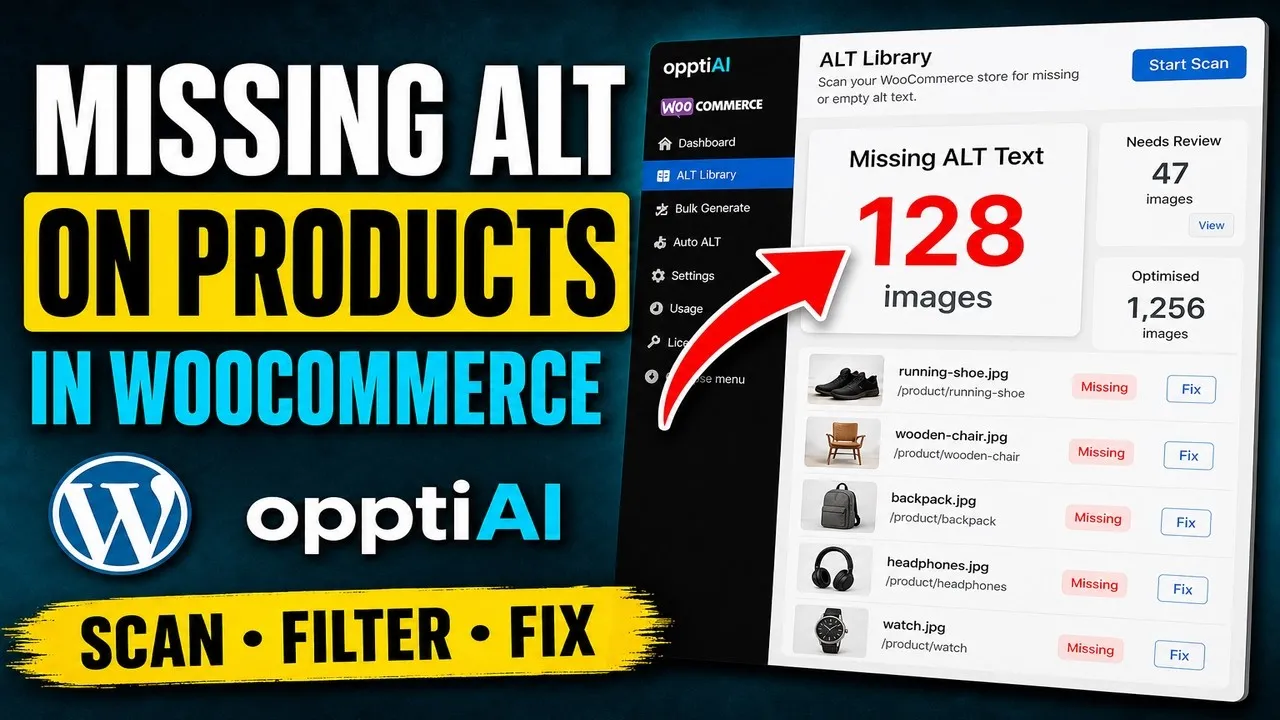
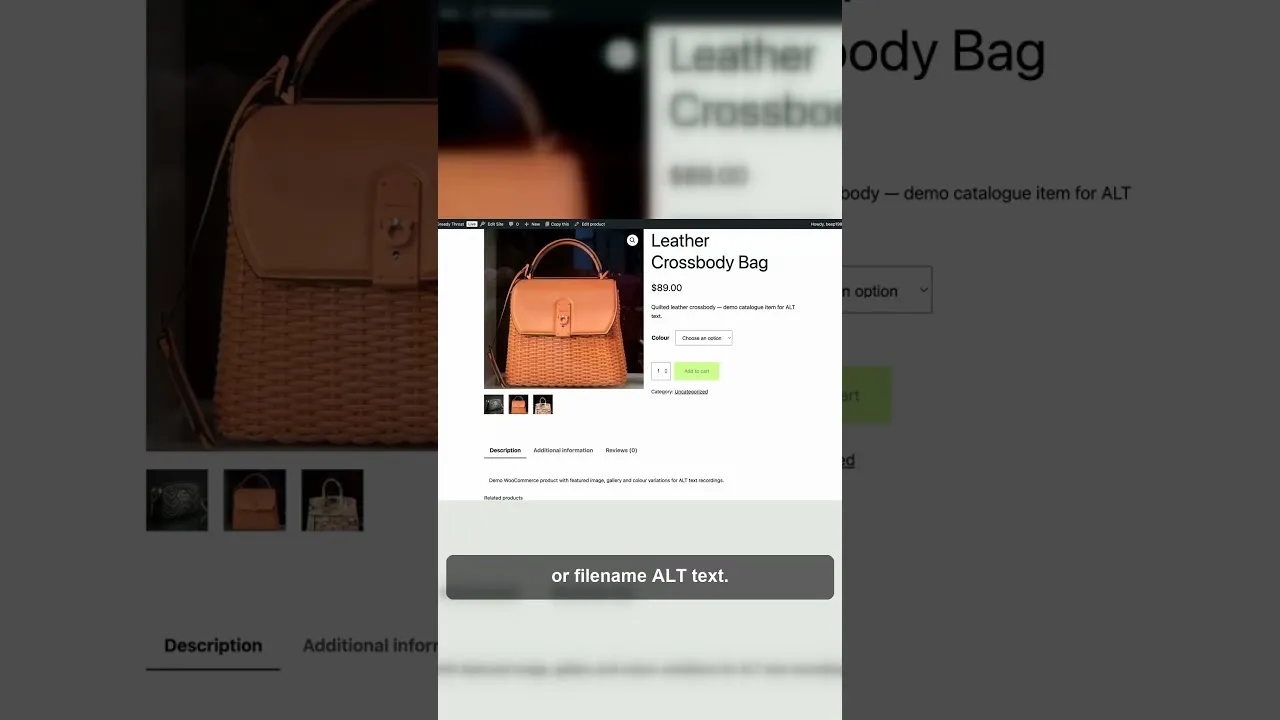
WooCommerce product images often ship with empty alt text or filenames like IMG_4821. Here's a fast way to find and fix the gaps across your catalogue.
AI can fill an alt text field in seconds, but it can also fill it wrong. Here's the quick check to run before you hit save on any AI-drafted alt text.
Fixing the featured image alt text isn't enough. WooCommerce variation images are stored separately and need their own descriptions to be found.
Opening every WooCommerce product to check alt text doesn't scale past a handful of items. Here's a scan-filter-fix workflow that does.
WooCommerce product images look fine to shoppers and still have empty or filename alt text. Here's where the gaps usually hide and how to find them.
One question decides whether a WordPress image needs alt text or should stay empty: would removing it lose information? Here's how to apply it fast.
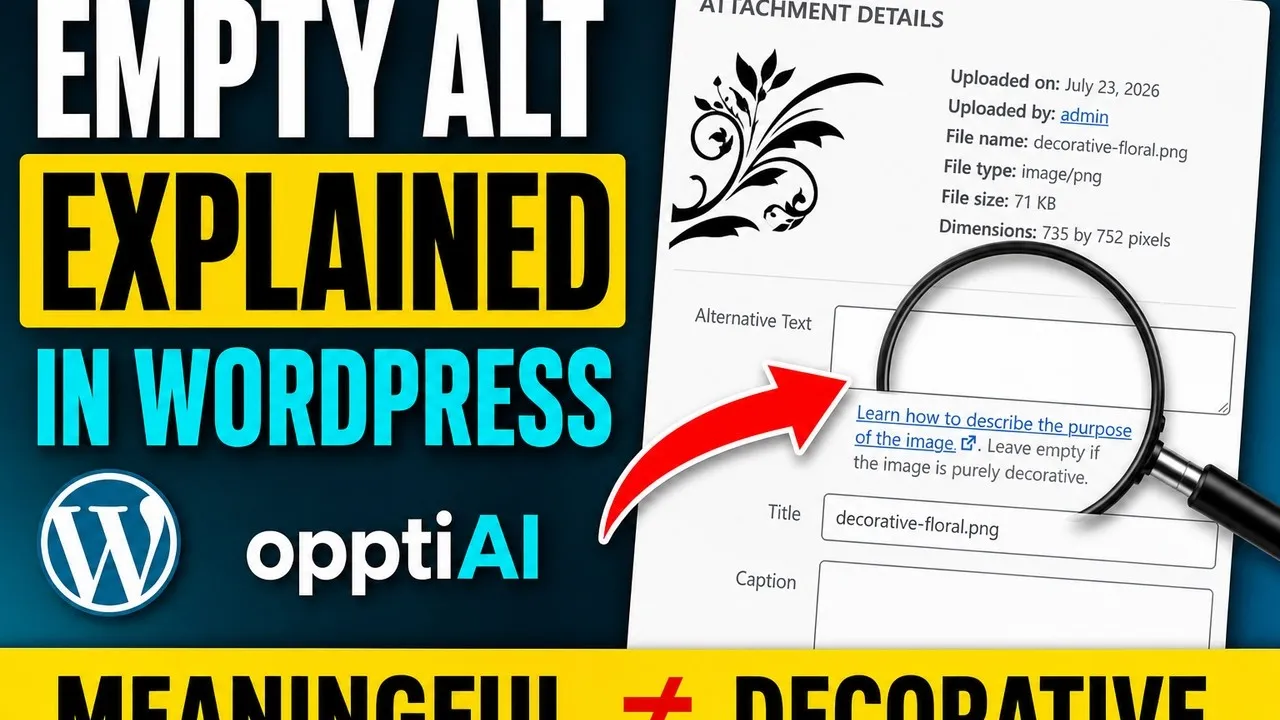
Setting alt text to empty isn't the same as it working correctly. Here's how to verify decorative images are actually skipped by screen readers.
Writing keyword-rich alt text for decorative WordPress images doesn't help SEO and can flag your site for spam. Here's what to do instead.
Checking pages one at a time misses most of your missing alt text. Here's why scanning the media library first finds the whole gap in one pass.
Not every missing WordPress alt text field deserves the same fix. Here's how to prioritise meaningful images over decorative ones before you start.
Fixing WordPress alt text isn't the last step. Here's how to re-audit afterwards and confirm your missing count actually went down.
A WordPress alt text quality score isn't just present or missing. Here's what factors actually go into scoring alt text, and what a low score really means.
A single image's alt text score doesn't tell you much on its own. Here's how to measure alt text quality as a site-wide metric you can track over time.
AI can draft WordPress alt text fast, but saving it unread is a mistake. Here's what to check before AI-generated alt text goes live on your site.
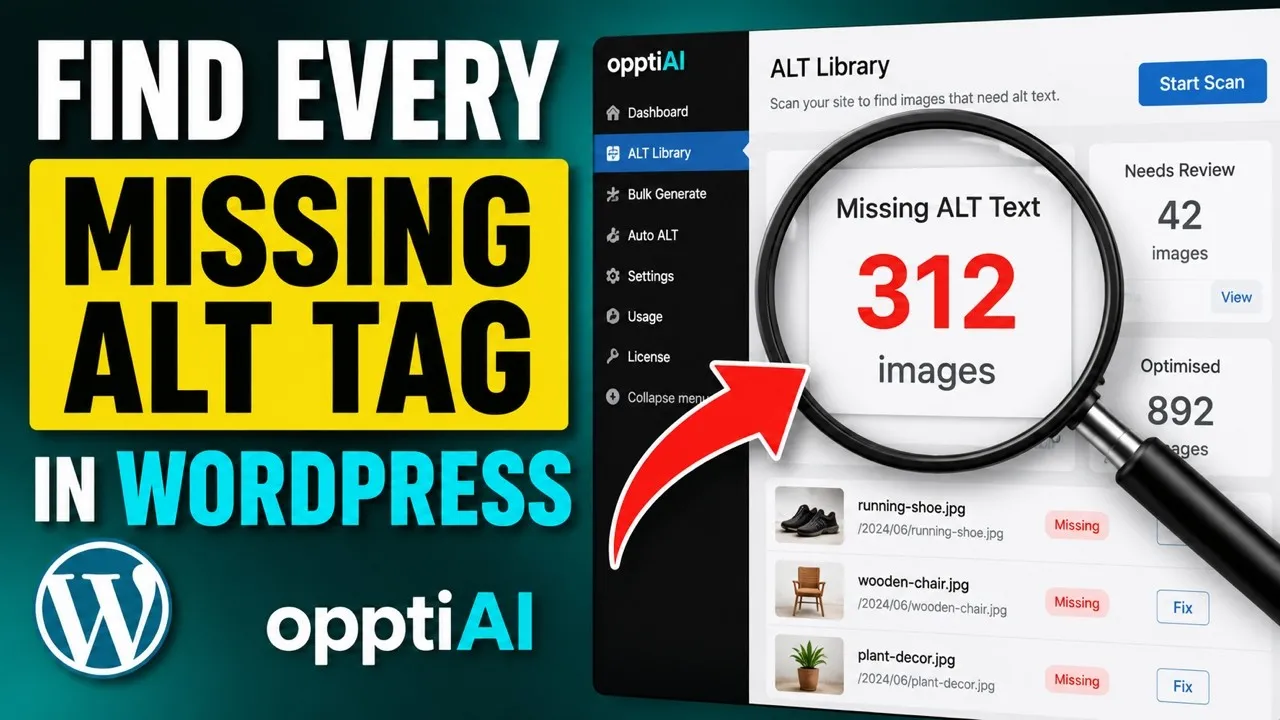
Stop opening images one by one. Here's how to scan your whole WordPress media library, find every missing alt tag, and prioritise the fixes that matter.
A quiet WordPress SEO problem sits in your media library, not your content. Here's how missing alt text costs you image search rankings without any warning.
WordPress featured images often render with no alt attribute at all — not a blank one, none. Here's why, and how to fix it across your whole site.
Checking alt text page by page in WordPress doesn't scale. Here's how to get a single, site-wide view of every missing alt tag and filter it down to what matters.
Not every image on a WordPress site needs a written description. Here's how to tell decorative images apart from content images before you fix your alt text.
Checking WordPress alt text manually feels doable until you count the images. Here's what a full manual check actually costs, and a faster way to get the same result.
AI-suggested alt text is only as good as the classification behind it. Here's how to check decorative vs meaningful before you accept a suggestion.
Comparing AltText.ai and OpptiAI Alt Text as a WordPress alt text alternative — pricing, bulk workflow, WooCommerce, and the review step that sets them apart.
Having alt text on every image isn't the same as having useful alt text. Here's how to spot the fake fixes and write descriptions that actually help.
OpptiAI’s State of WordPress Image SEO 2026 report hub is live: definitions for missing and weak alt text, how public-page audits feed anonymised snapshots, and where to start remediating.
Weak WordPress alt text drags down your image SEO. Here's how to score it, rewrite the worst offenders from the image, and save it back.
A practical way to find and fix missing alt text across WordPress, improve image SEO and accessibility, without editing every image by hand.
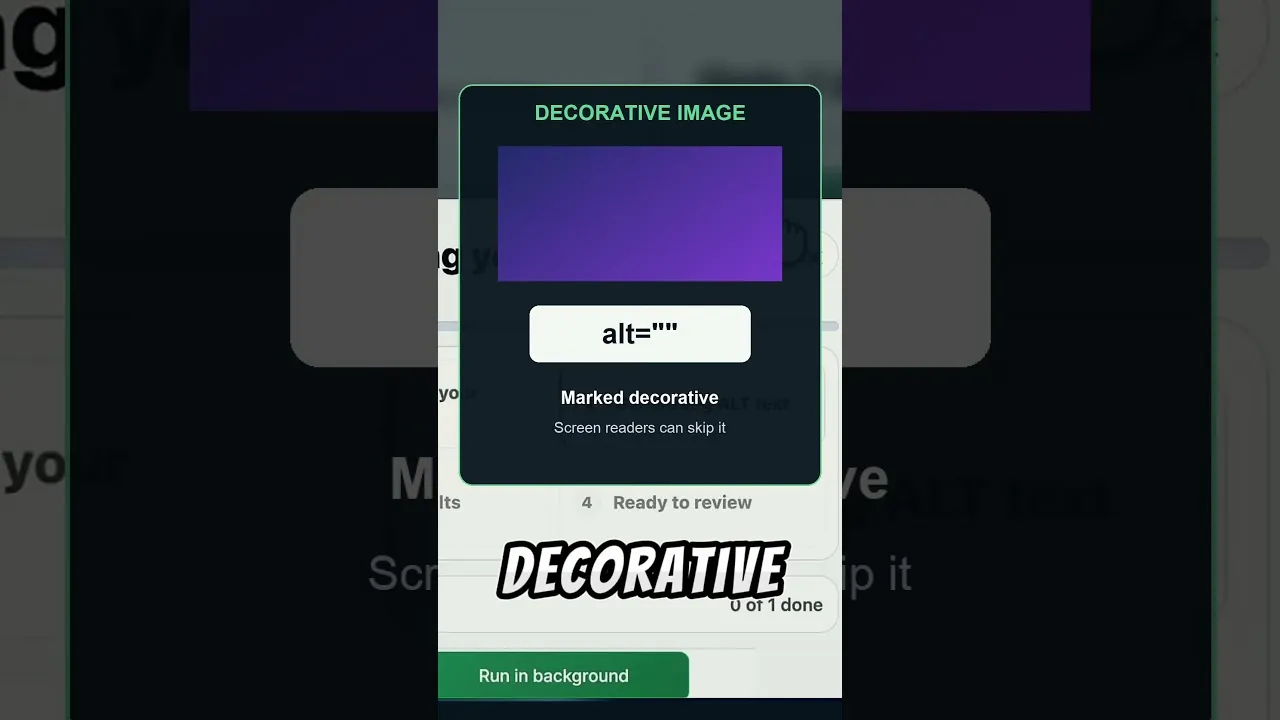
Not every WordPress image needs alt text. Decorative images should have empty alt so screen readers skip them. Here's how to tell them apart and set it.
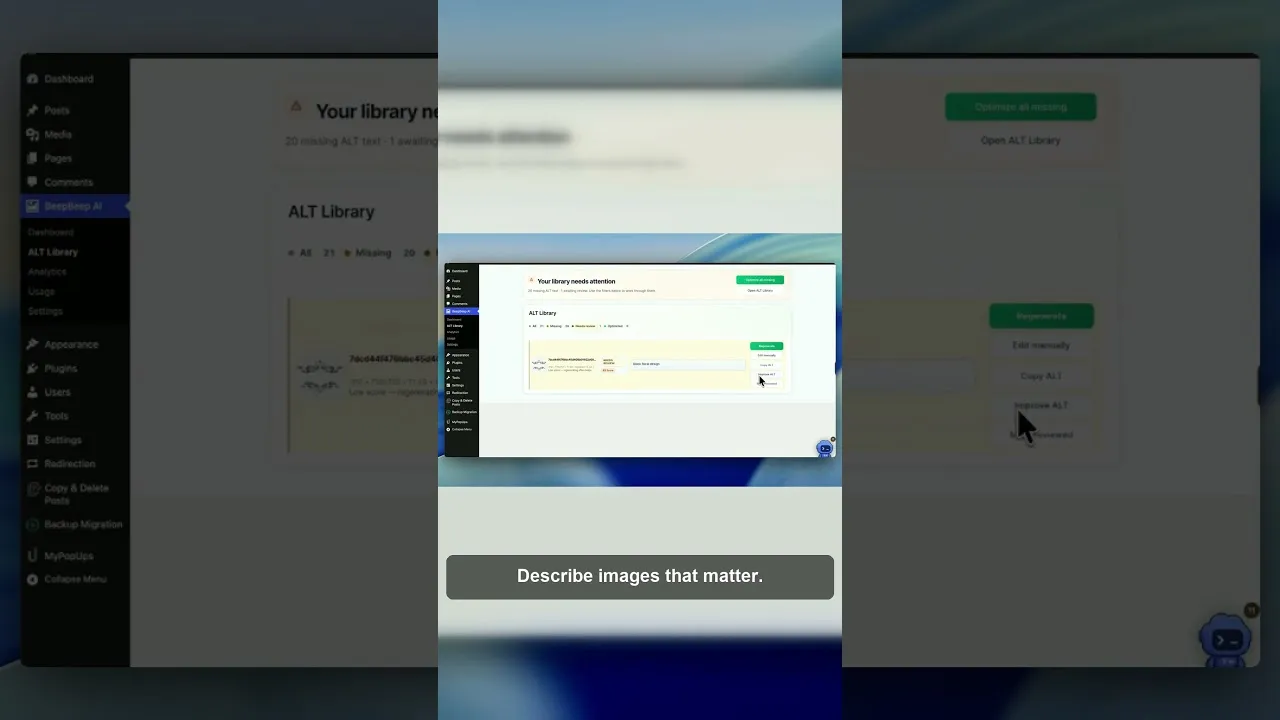
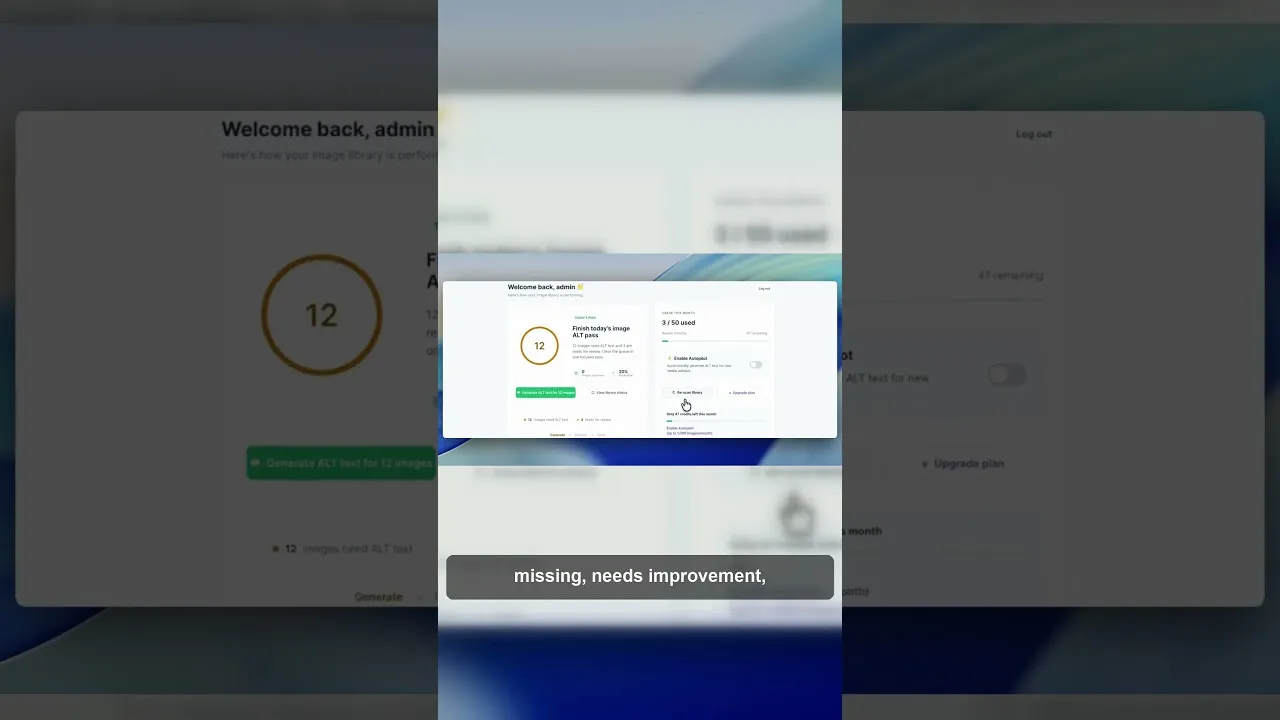
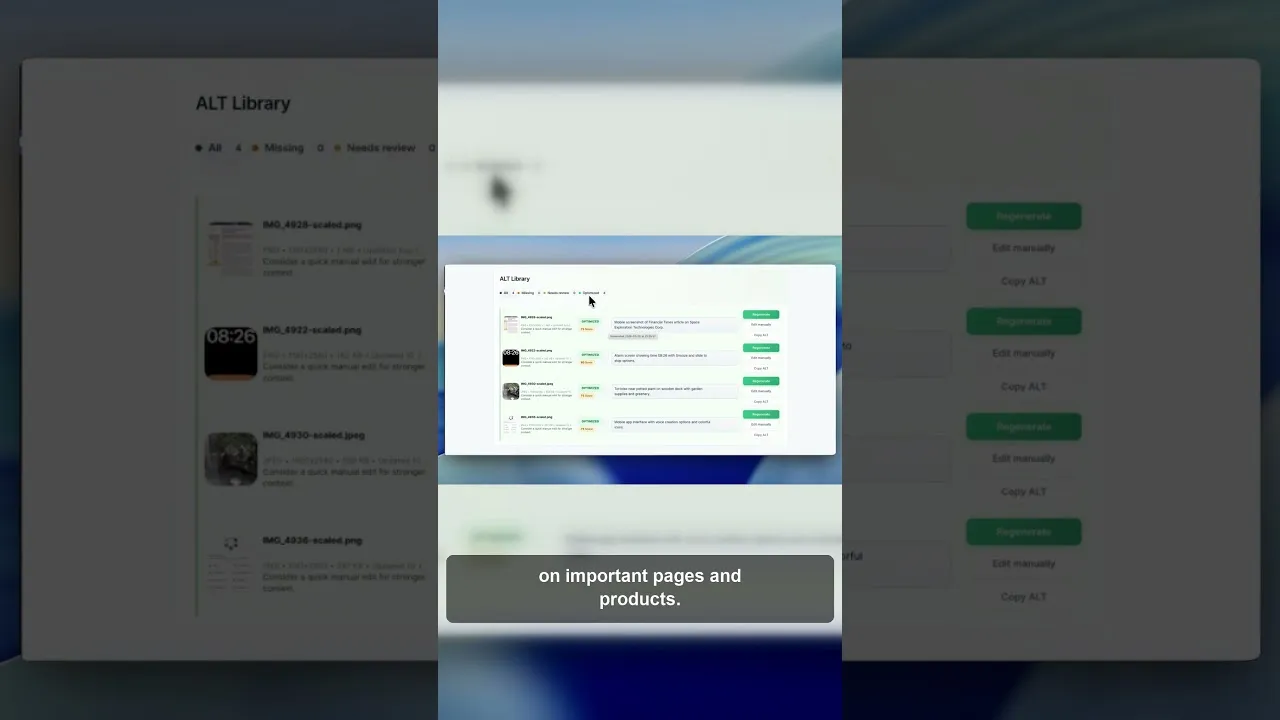
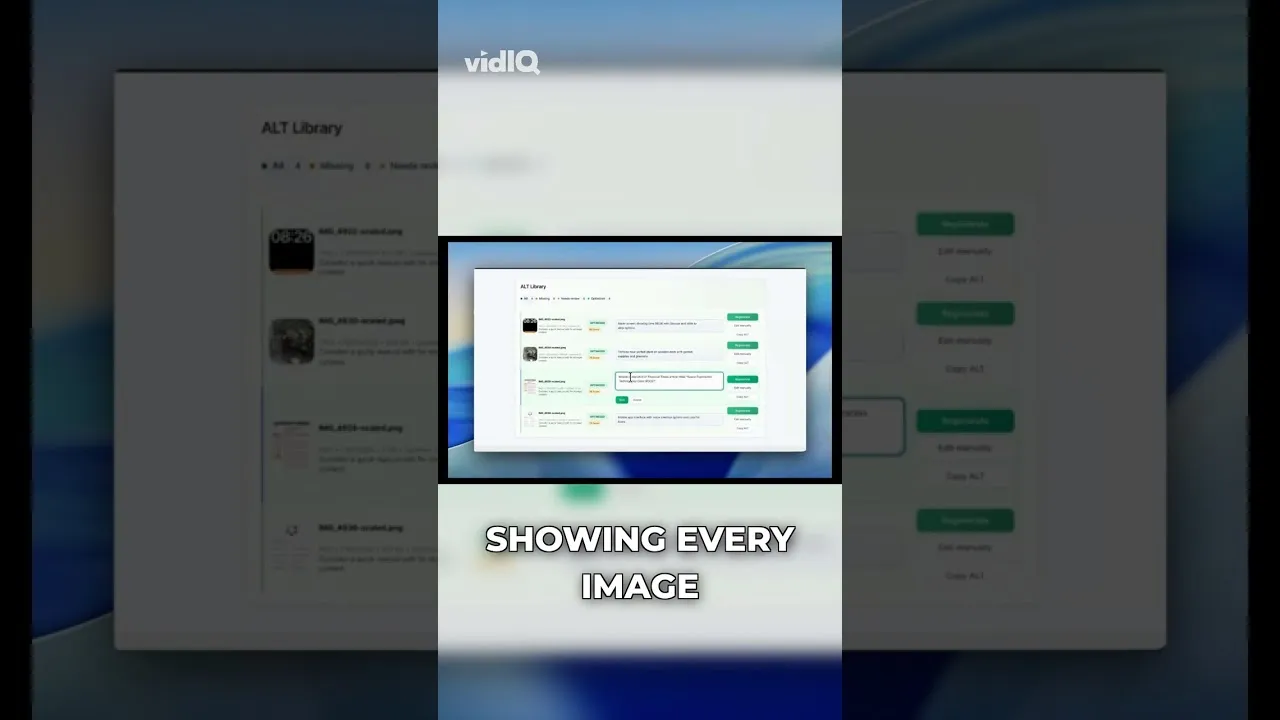
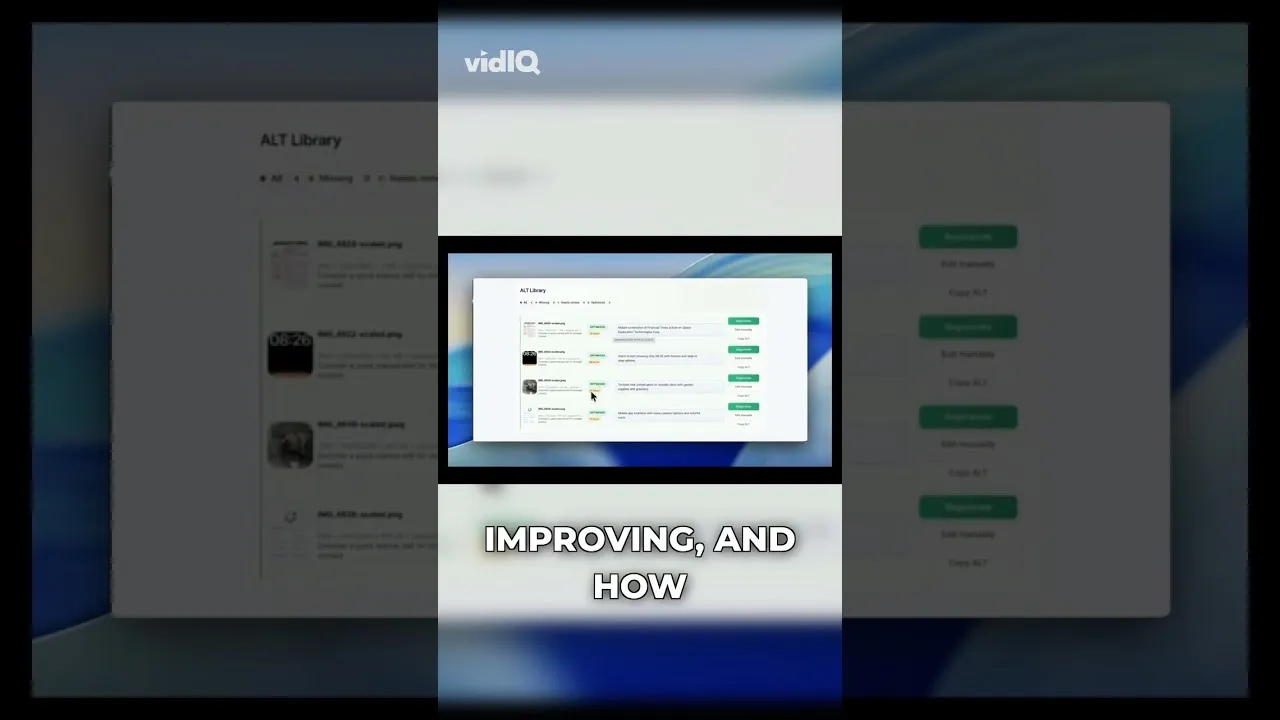
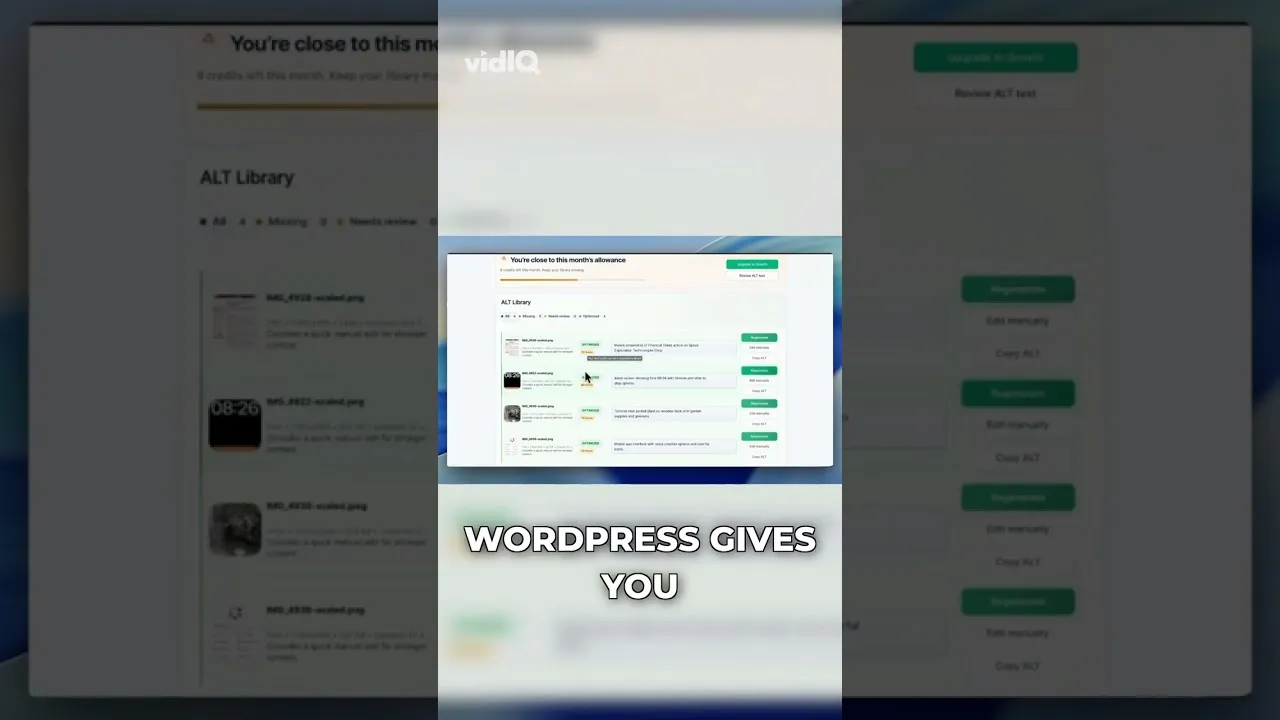
A WordPress ALT Text Library gives you one place to find missing descriptions, review weak text, improve accessibility, and give search systems clearer image context.
Alt text and the title attribute look alike in WordPress but do very different jobs. Here's which one matters for image SEO and accessibility, and why.
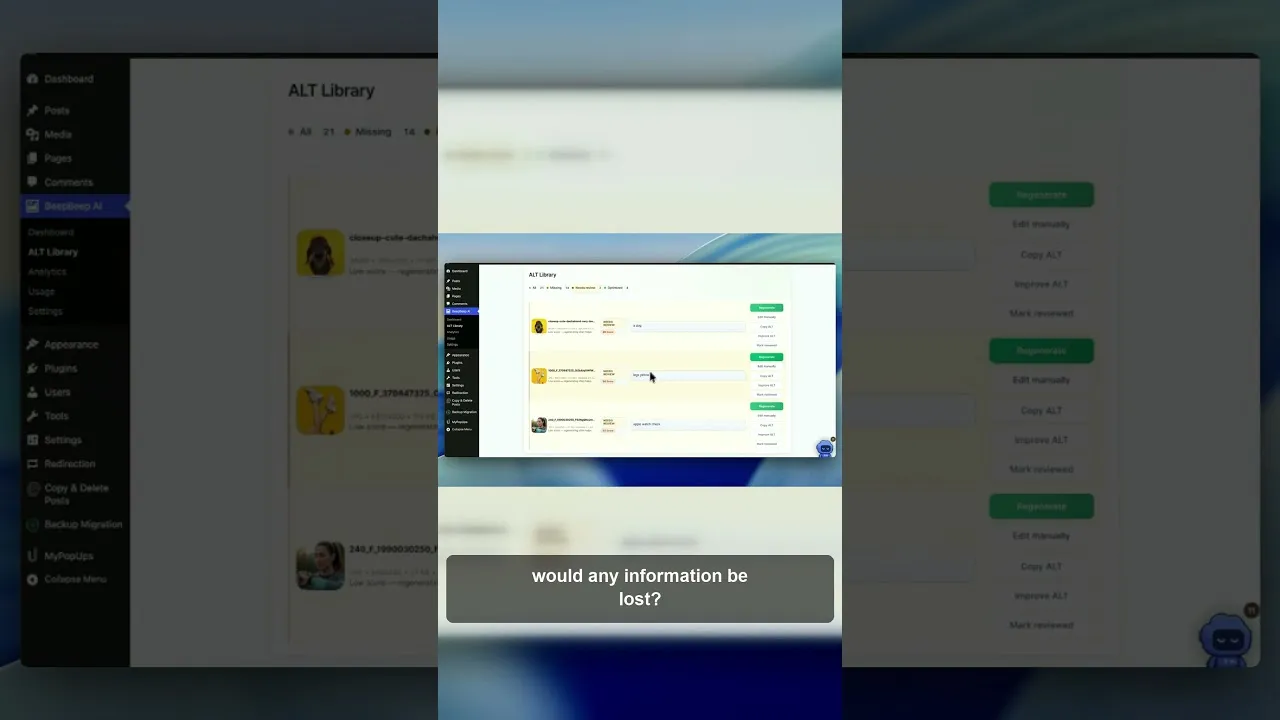
Stop opening WordPress images one by one to check alt text. See how a single Alt Library dashboard surfaces missing alt text across your library.
Most WordPress sites lose image search traffic to missing alt text without realising it. Here's how to find the gap and fix it across your whole site.
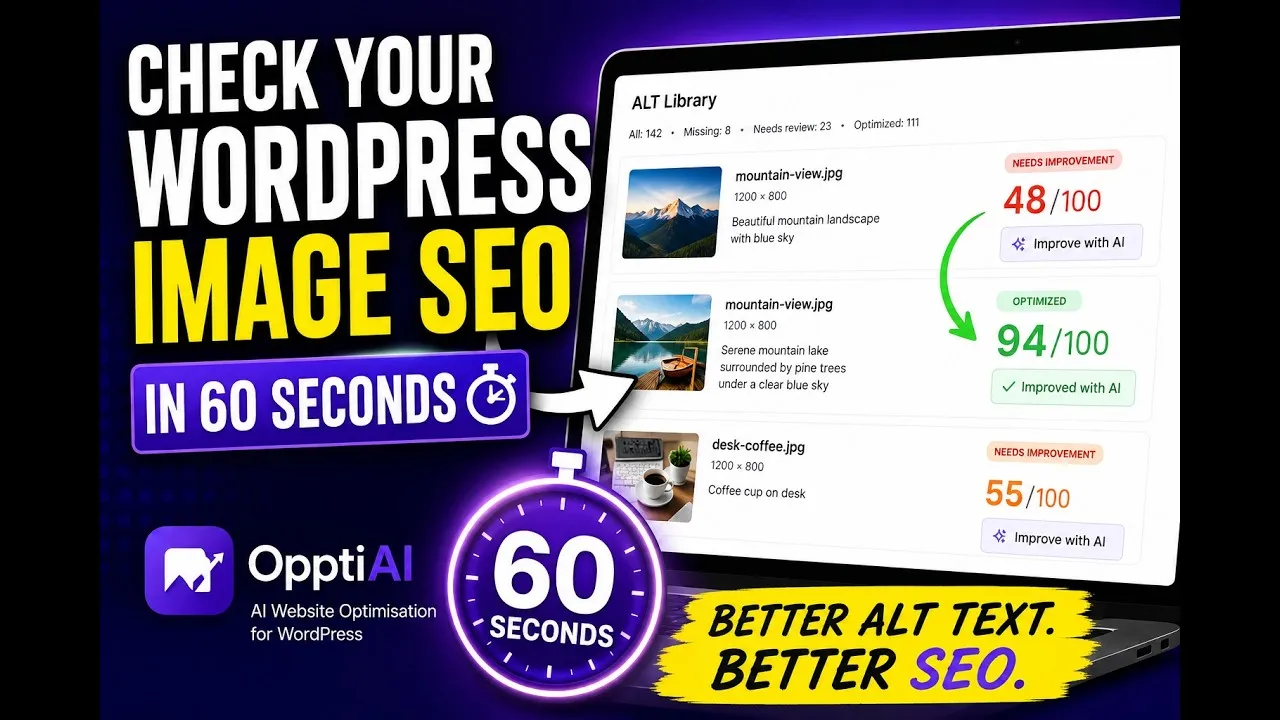
A fast, free way to check your WordPress image SEO and alt text in about a minute — what the scan looks at and how to read the results.
Run a free image SEO audit for WordPress and learn how to prioritize missing alt text, weak descriptions, repeated icons, and public-page image issues.
A full walkthrough of OpptiAI Alt Text's WooCommerce alt text workflow: featured images, gallery images, and auto-generation on upload.
A technical checklist covering every WordPress image SEO factor: alt text, file naming, compression, WebP, structured data, sitemaps, and WooCommerce specifics.
Set up automatic alt text generation every time you upload an image to WordPress. No manual tagging, no forgotten images. Here's exactly how it works.
Alt text is on every SEO checklist, but does it actually move rankings? Here's what Google has said, what the data shows, and where the impact is real.
Most WordPress alt text plugins make you set up an OpenAI account and paste in an API key. Here's how to skip that entirely and still get accurate results.
WCAG 2.1 AA has specific requirements for image alt text — and most WordPress sites fail them. Here's what compliant alt text looks like in practice.
AltText.ai is the established leader for WordPress alt text. Here's an honest comparison of the main alternatives — including the one I built.
Most WordPress sites have hundreds of images with no alt text. Here's how to find them and fix them — manually, via bulk export, or with a plugin.
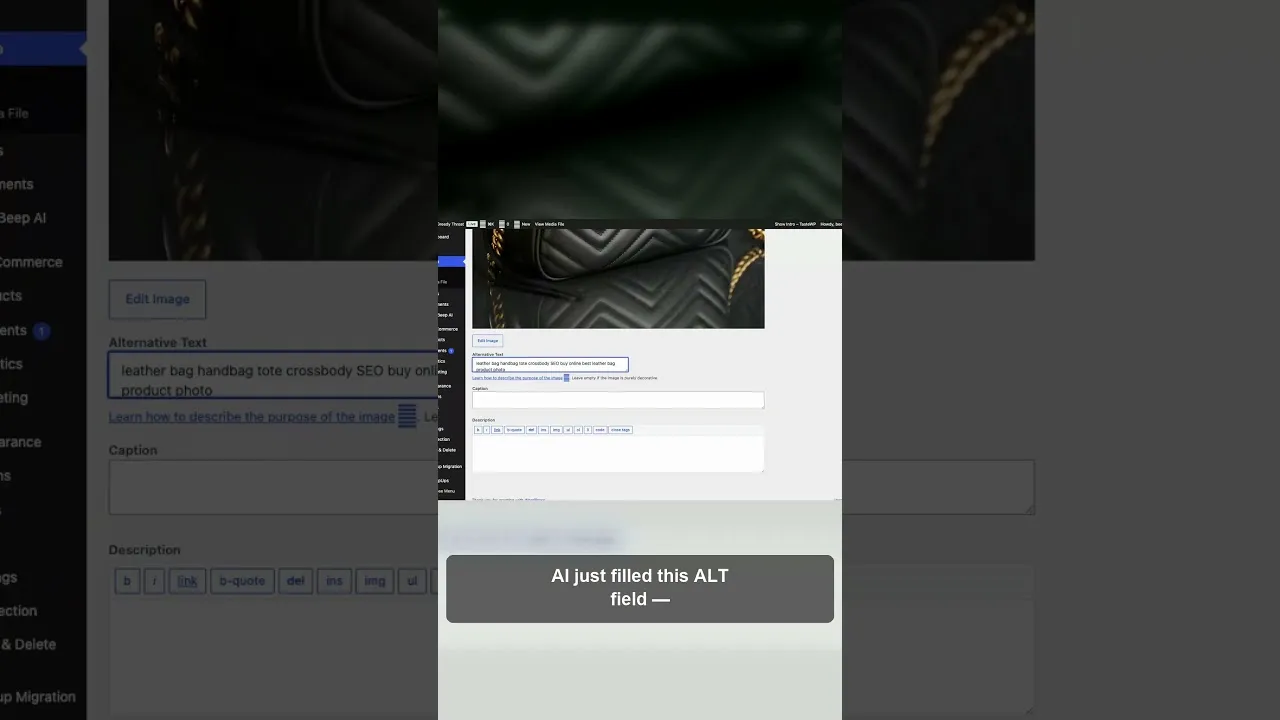
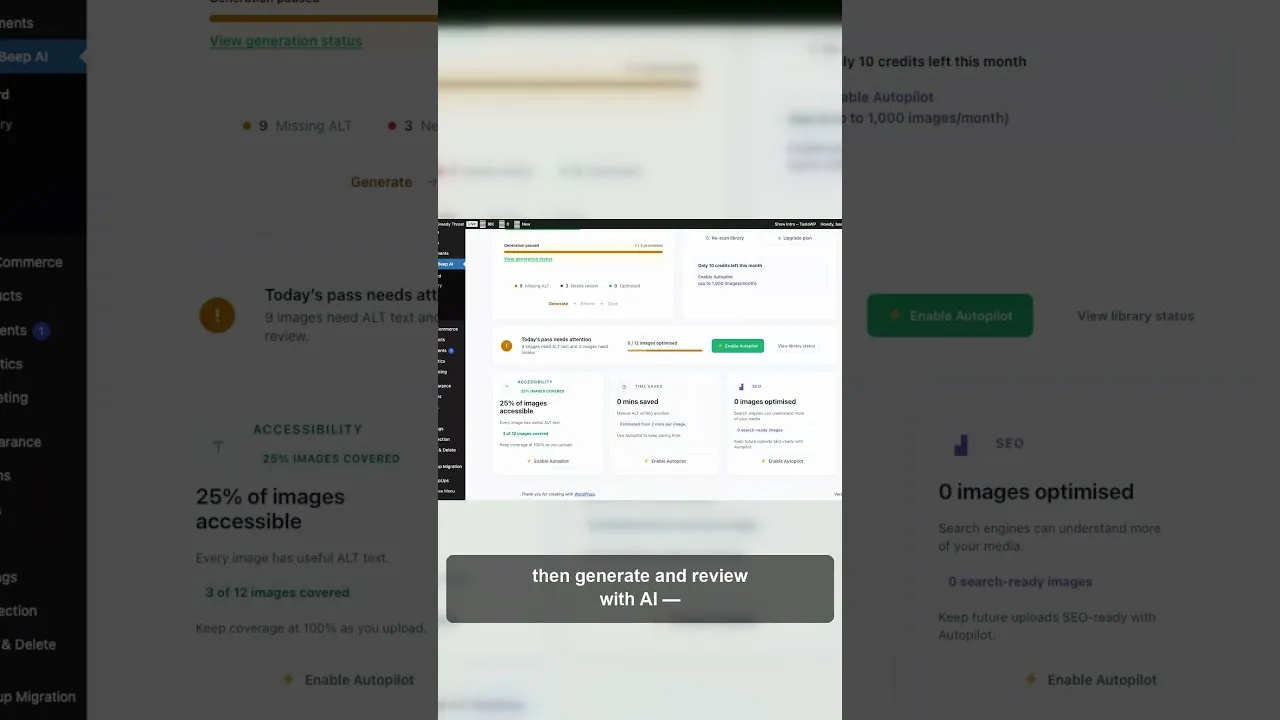
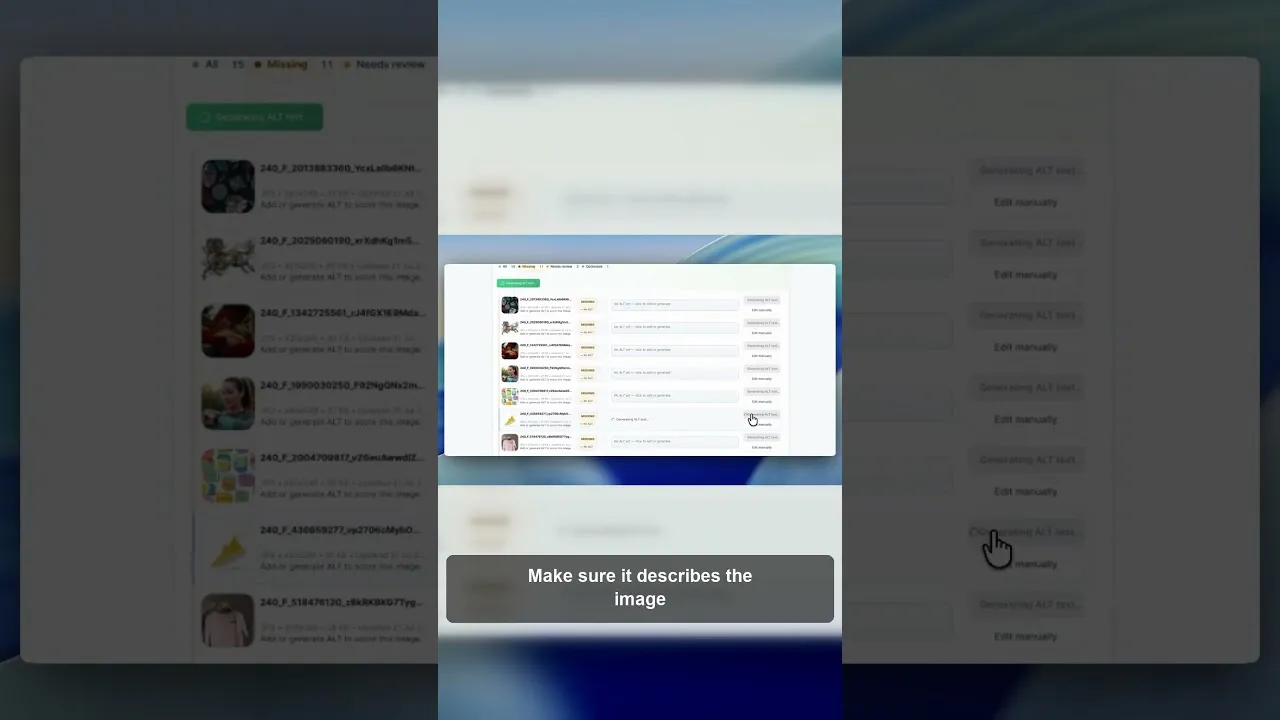
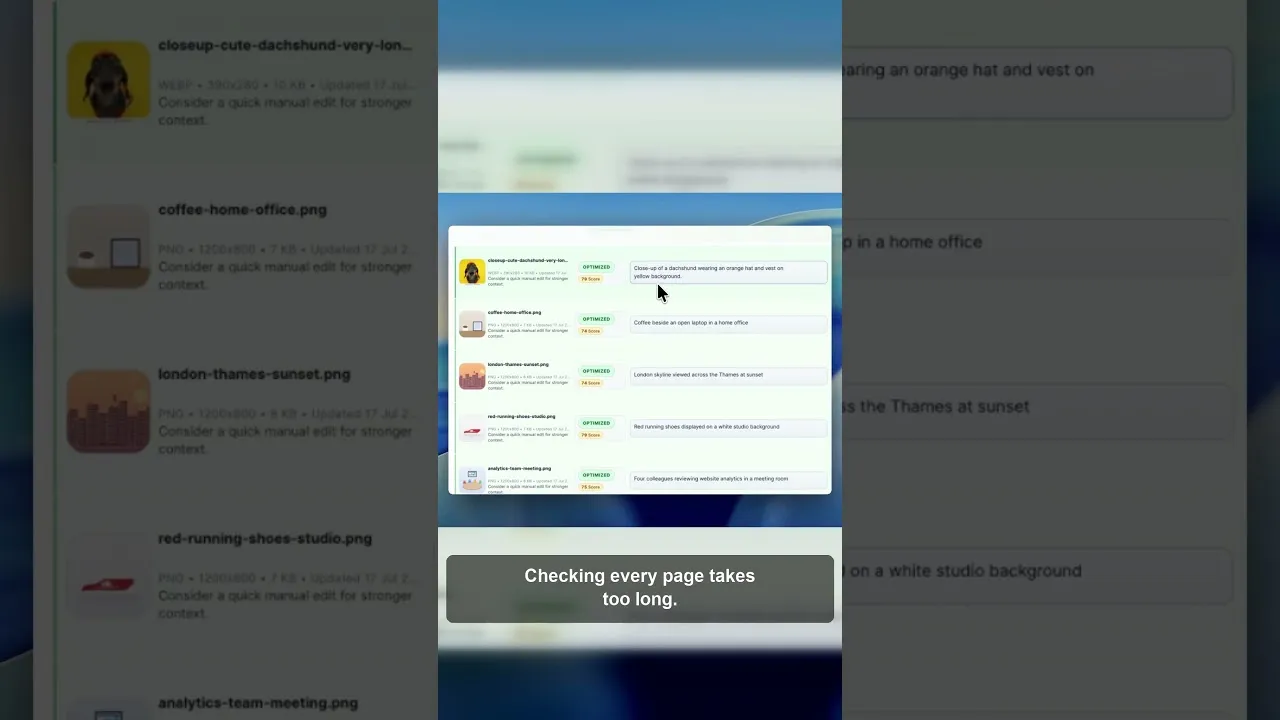
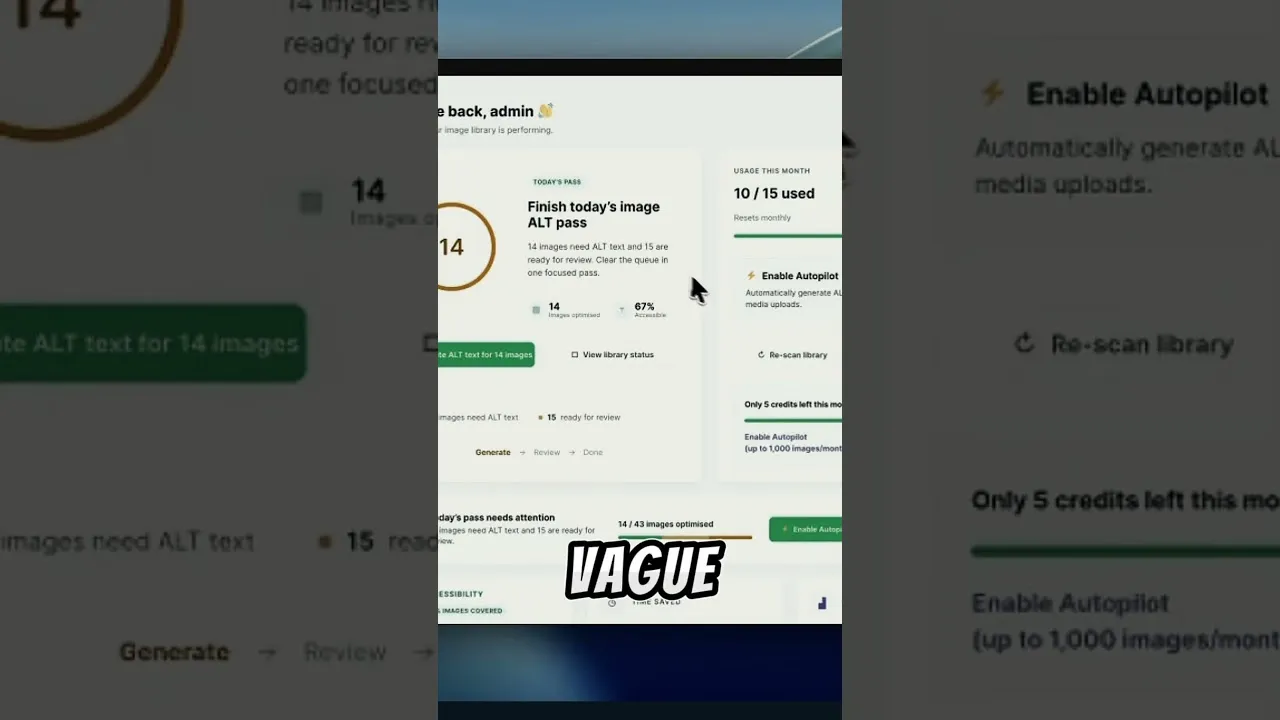
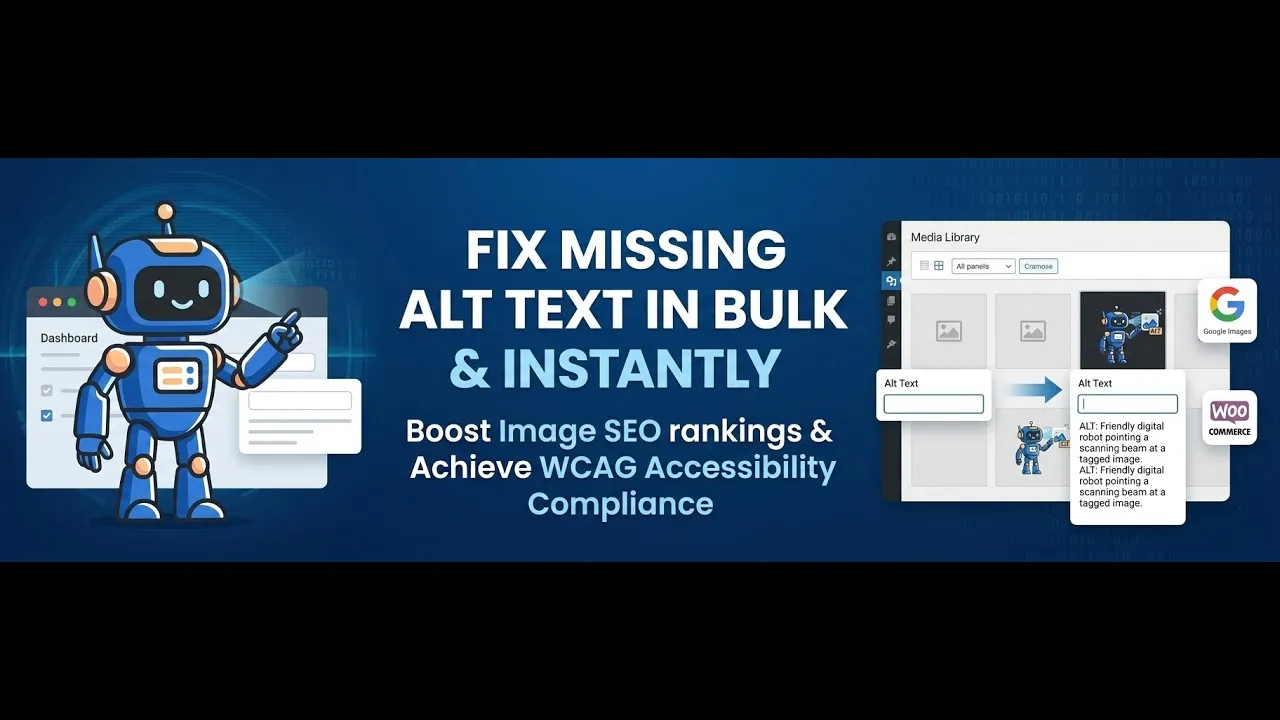
Watch a full demo of generating SEO alt text in bulk for WordPress and WooCommerce product images — scan the media library, review, and apply.